Recent advances in valorization pathways for food manufacturing waste
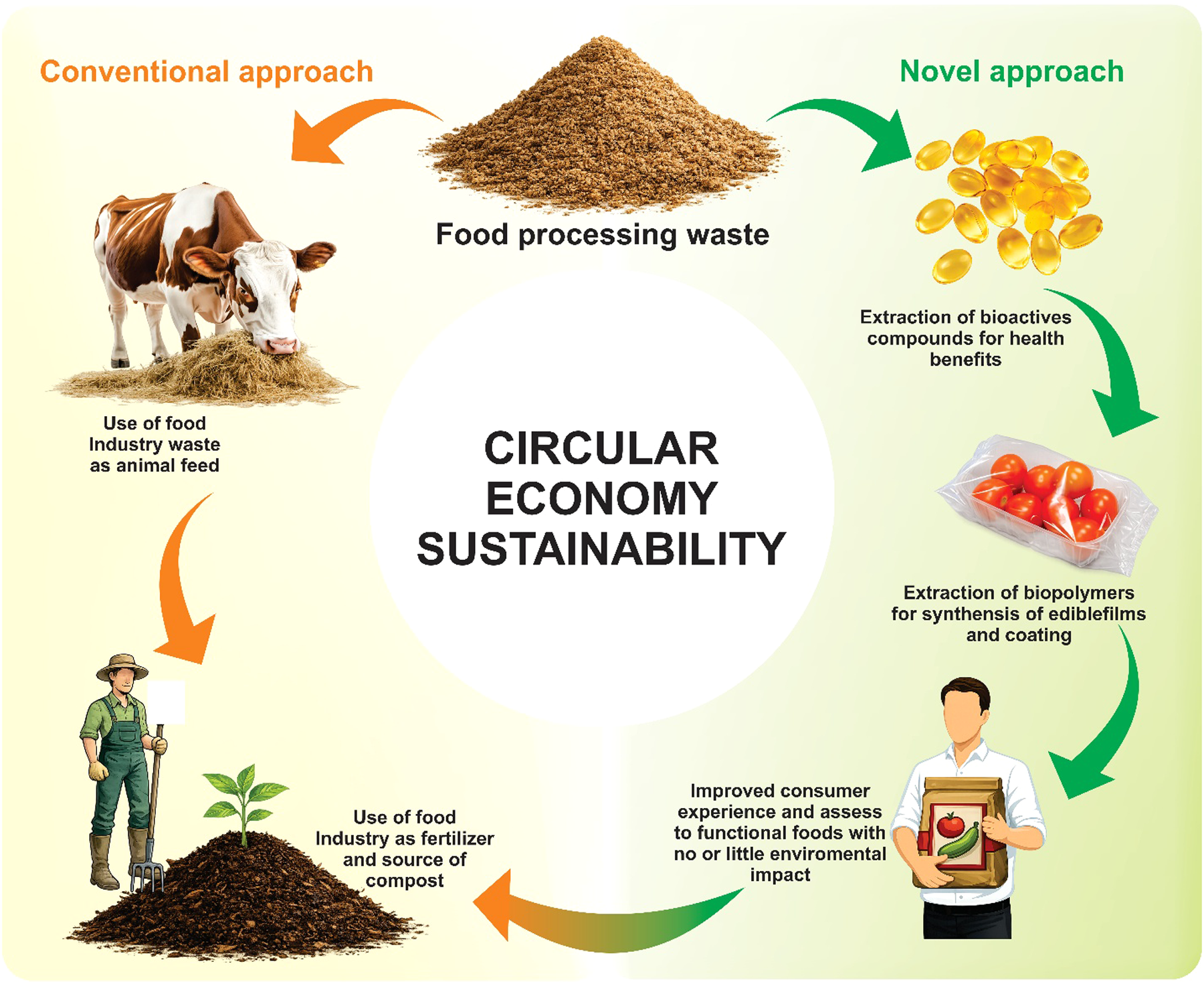
Food manufacturing waste is a hidden goldmine—untapped, massive, and waiting to be transformed into valuable products instead of ending up in landfills.
The world's food systems discard a staggering amount of waste, but this review reveals it's not just trash—it's a reserve of valuable compounds. Instead of energy-intensive disposal, advanced pathways are turning residues rich in polysaccharides, proteins, lipids, polyphenols, and minerals into multiple products. Green extraction technologies, fermentation-based bioconversion, and integrated biorefineries are leading the charge, offering methods that are more selective, less damaging to bioactives, and far more sustainable.
These zero-waste approaches sequentially recover high-value compounds, functional ingredients, biomaterials, bioenergy, and agricultural inputs, perfectly aligning with circular bioeconomy principles. The review also stresses the importance of life-cycle assessments, solvent recovery, and scalability to gauge real-world impact. While lab and pilot results are promising, challenges remain: industrial-scale validation, standardized sustainability metrics, and harmonizing hybrid technologies.
Digitalization and process optimization tools could further boost efficiency and handle feedstock variability. Ultimately, these advanced valorization pathways present a compelling business case—turning waste into wealth, supporting sustainable food production, and fostering circular resource management. This framework uniquely integrates green extraction, multi-product biorefineries, and sustainability-focused evaluation, setting a new standard for food waste valorization.
Key Points
- Food waste becomes valuable compounds via green tech.
- Zero-waste biorefineries recover multiple products sequentially.
- Industrial scale and sustainability metrics remain gaps.
Comments
No comments yet — be the first.