Recovery of biomolecules in sustainable ATPSs (298.15 K) and solubility determination in pure water and ethyl lactate (283.15, 298.15 and 313.15 K)
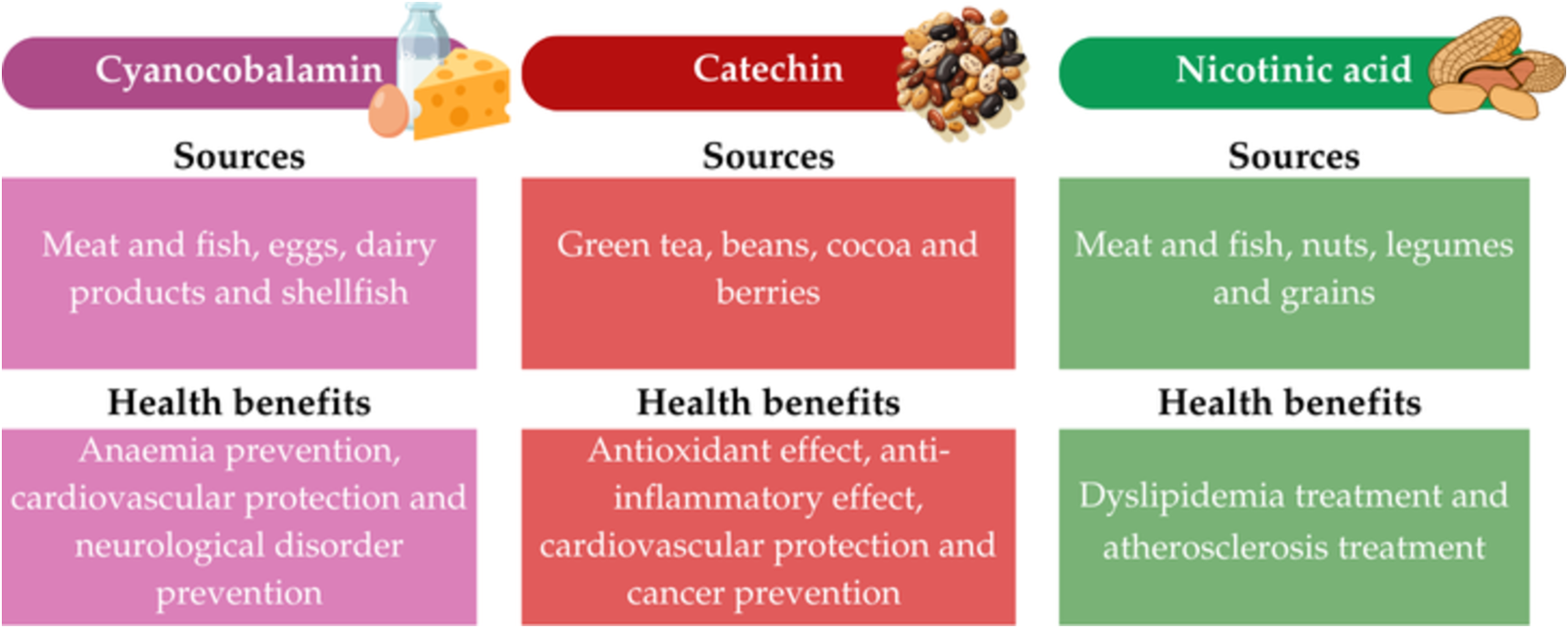
What do vitamin B12, green tea catechin, and niacin have in common? They're biomolecules worth rescuing—and a new sustainable method just made their recovery cleaner and smarter.
Forget harsh solvents and wasteful processes. Researchers are turning to Natural Deep Eutectic Solvents (NADES) and aqueous two-phase systems (ATPS) to recover valuable biomolecules like cyanocobalamin (vitamin B12), catechin, and nicotinic acid. At a steady 298.15 K, these sustainable systems promise efficient partitioning—no toxic leftovers, just smart chemistry.
But before diving into extraction, the team had to understand the molecules' behavior. They measured solubility in pure water and ethyl lactate at three temperatures: 283.15, 298.15, and 313.15 K. Why? Because solubility data is the bedrock for designing any recovery process. They also tracked how pH shifts the electrical charge of these biomolecules, which can alter their hydrophobicity and UV-Vis spectra—critical to avoid skewed results.
Using a suite of precise instruments—from oscillating densimeters to Karl Fischer titrators—they ensured every measurement was rock-solid. The result? A deeper understanding of how these biomolecules interact with green solvents, paving the way for more sustainable biotech separations.
This isn't just lab trivia. It's a step toward industrial processes that are both effective and eco-conscious. Because when you can rescue vitamin B12 with a cleaner toolkit, everyone wins.
Key Points
- Sustainable ATPS recover B12, catechin, and nicotinic acid at 298.15 K.
- Solubility measured in water and ethyl lactate at three temperatures.
- pH effects on charge and spectra were monitored for accuracy.
Comments
No comments yet — be the first.