Recovery of Cembratrien-Diols from Waste Tobacco (Nicotiana tabacum L.) Flowers by Microwave-Assisted Deep Eutectic Solvent Extraction: Optimization, Separation, and In Vitro Bioactivity
What if the flowers you toss away could fight bacteria and cancer? Scientists just found a green way to unlock that hidden power from waste tobacco flowers.
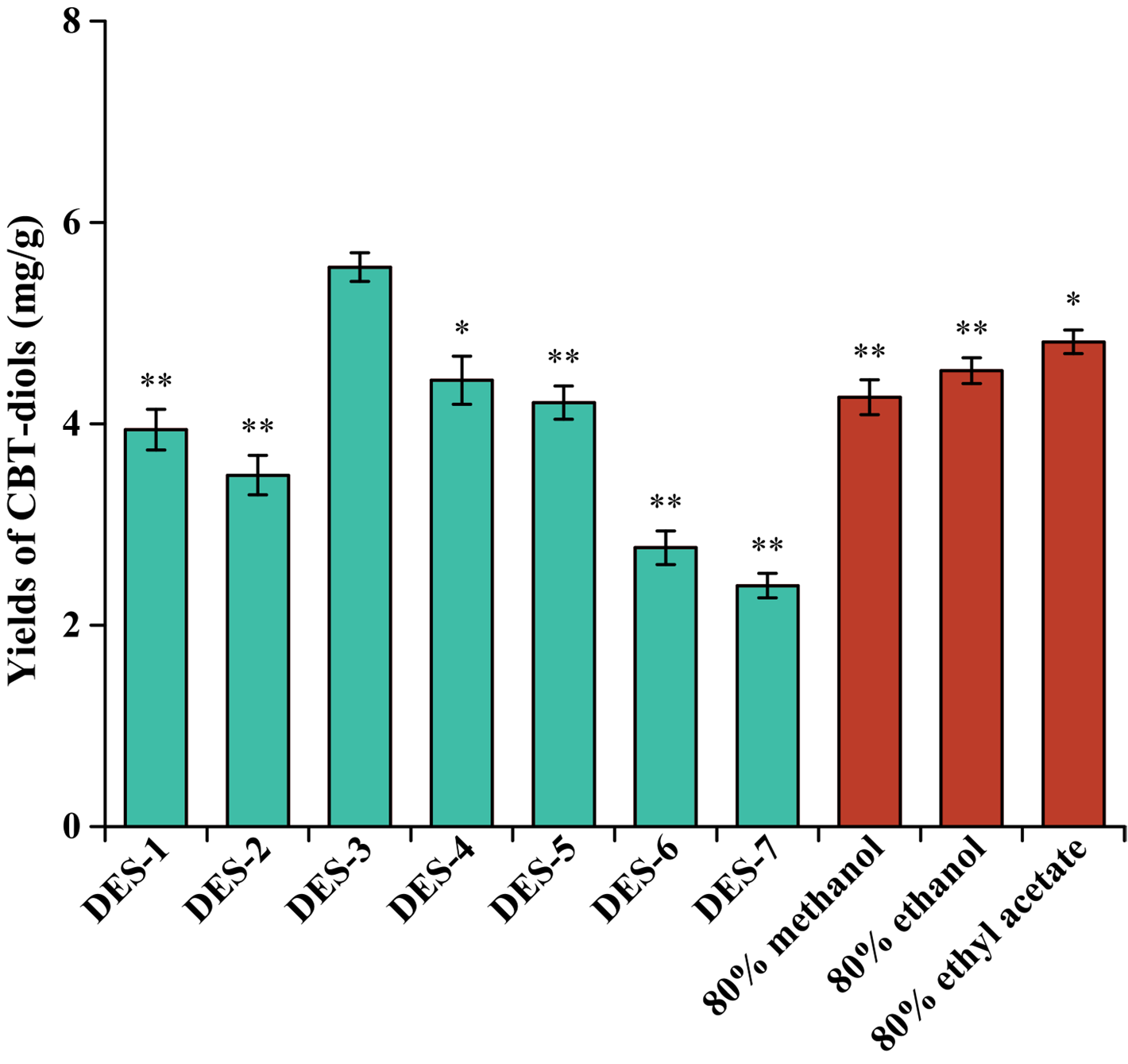
Tobacco flowers are usually discarded, but they hide valuable compounds called cembratrien-diols (CBT-diols). In a new study, researchers used deep eutectic solvents (DESs)—eco-friendly liquids with properties similar to ionic liquids—to extract these bioactives. They tested seven DESs with different polarities, and the best one, DES-3 (choline chloride: lactic acid, 1:3), outperformed traditional solvents like methanol, ethanol, and ethyl acetate.
To make the process even better, they optimized microwave-assisted extraction using response surface methodology. The maximum yield of CBT-diols reached 6.23 ± 0.15 mg/g under specific conditions: 425 W microwave power, 32 minutes, a solid/liquid ratio of 20 mg/mL, and a temperature of 40°C. That's a precise recipe for getting the most out of waste.
The extracted CBT-diols showed strong antimicrobial activity against five pathogens, including Salmonella and Staphylococcus aureus, and also inhibited the growth of human liver cancer cells (HepG2 and SMMC-7721). This means the same waste could be a source of new antimicrobial and antitumor agents.
This study proves that green chemistry can turn trash into treasure. By using DESs and microwaves, we can recover valuable compounds from agricultural waste, offering a sustainable path for waste management and new biomedical applications.
Key Points
- DES-3 (choline chloride:lactic acid) beats methanol, ethanol, ethyl acetate
- Max CBT-diol yield: 6.23 mg/g at 425 W, 32 min, 40°C
- Extracts kill bacteria and inhibit liver cancer cells
Comments
No comments yet — be the first.