Selected Alien Macroalgae Species from Madeira Archipelago as a Source of Sustainable Antifungal and Elicitor Agents: A Review on Their Valorization Potential and Green Extraction Approaches
What if the algae invading our shores could become the next green weapon against crop-killing fungi? A new review reveals how alien seaweeds from Madeira might just be nature's unexpected allies.
Alien macroalgae are often seen as ecological troublemakers, but they may also be treasure troves. A recent review explores how these seaweeds, especially those washing up on Madeira's shores, could be harnessed for agriculture. The focus? Their ability to fight off phytopathogenic fungi and boost plant defenses—naturally.
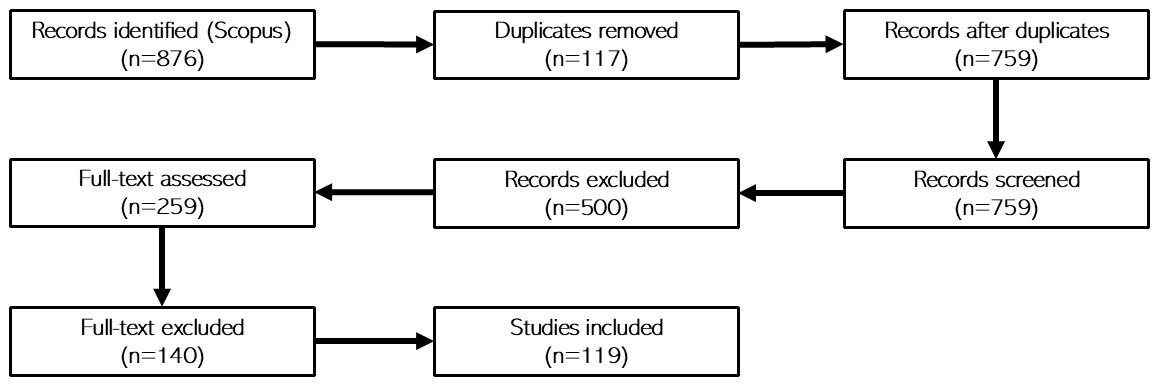
Researchers dug into studies from 2020 onward, zeroing in on three key areas: the ecological role of invasive and beach-cast algae, their antifungal and elicitor properties, and green extraction methods using deep eutectic solvents (DES). Species like Asparagopsis armata, Rugulopteryx okamurae, and Sargassum muticum stood out for their promising effects, often linked to phenolic compounds and polysaccharides.
These algal extracts can either inhibit fungal growth or trigger plant defense pathways, offering a sustainable alternative to synthetic pesticides. The use of DES—and their natural counterparts, NADES—provides a biodegradable, tunable way to extract these bioactives while slashing environmental impact.
Ultimately, this isn't just about managing an ecological nuisance. It's about turning a problem into a solution, creating economic value, and paving the way for greener agriculture.
Key Points
- Alien macroalgae show antifungal and elicitor potential
- Asparagopsis, Rugulopteryx, and Sargassum species are promising
- NADES offer green extraction with lower environmental impact
Comments
No comments yet — be the first.