Senise Red Pepper (Capsicum annuum L.) Wastes as Source of Rich Capsanthin Extracts by Supercritical CO2 Extraction
What if pepper waste could paint your world with vibrant reds—and save the planet at the same time? A new study turns leftover Senise peppers into a treasure trove of natural pigments using nothing but pressurized CO2.
Every year, tons of pepper processing residues are tossed aside. But these scraps are far from worthless—they hide a rich cocktail of carotenoids, the natural compounds behind bright reds and oranges. Researchers zeroed in on Senise peppers, a sweet variety with Protected Geographical Indication (PGI) status, and tested a green extraction method using supercritical CO2.
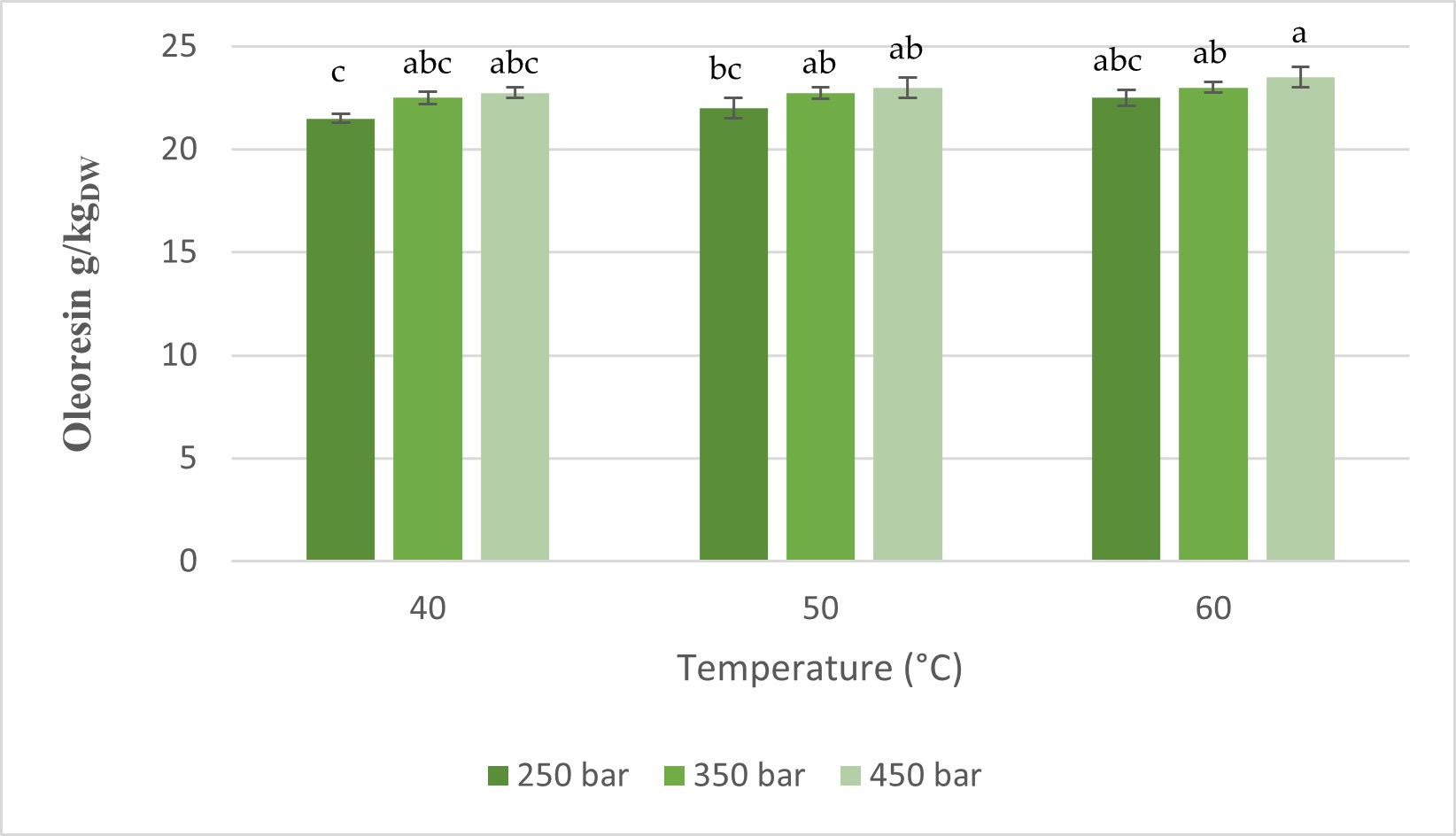
In nine pressure–temperature combinations (250–450 bar, 40–60 °C, 60 minutes each), the team compared results to traditional solvent extraction. The yields were impressive: 21.5 to 23.5 grams per kilogram of dry weight. The best run—at 450 bar and 60 °C—recovered 70.2% of the carotenoids found by the solvent method, with a total carotenoid content of 386 mg per kilogram.
HPLC analysis revealed a colorful lineup: capsanthin dominated at 5.88 mg/g, followed by zeaxanthin, lutein, β-cryptoxanthin, β-carotene, and capsorubin. These are the very pigments that give red peppers their signature hue—and they're prized as natural colorants and antioxidants.
This isn't just about recycling waste; it's about turning a problem into a premium product. With supercritical CO2, we get clean, solvent-free extracts that could replace synthetic dyes in food and cosmetics. The future of color might just come from yesterday's pepper scraps.
Key Points
- Supercritical CO2 recovers 70.2% of carotenoids from pepper waste.
- Capsanthin dominates at 5.88 mg/g in the best extract.
- Green method yields 21.5–23.5 g/kg dry weight.
Comments
No comments yet — be the first.