Shrimp Waste Upcycling: Unveiling the Potential of Polysaccharides, Proteins, Carotenoids, and Fatty Acids with Emphasis on Extraction Techniques and Bioactive Properties
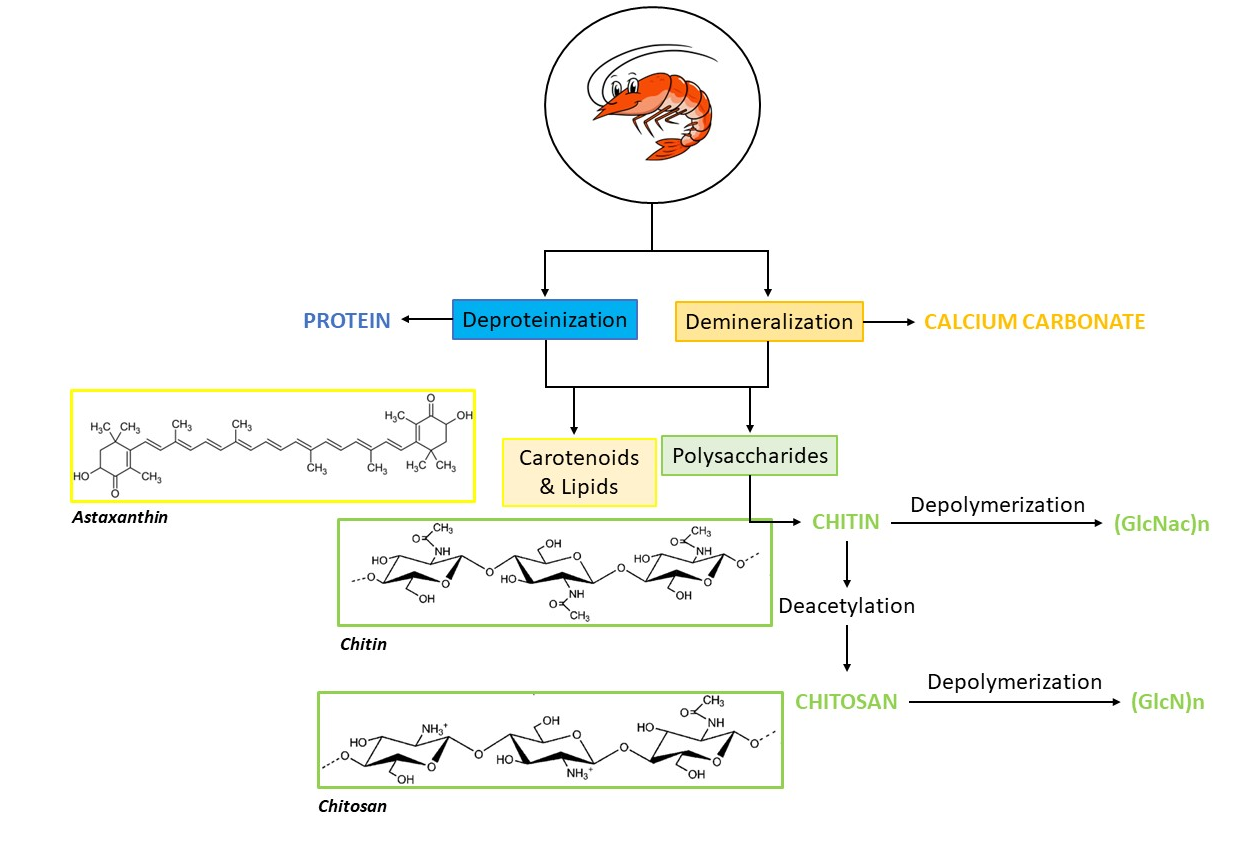
What if the mountainous waste from shrimp processing wasn't trash at all, but a treasure trove of powerful bioactive compounds waiting to be unlocked?
Shrimp processing leaves behind a massive trail of waste, mostly in the form of shells. But a new comprehensive review reveals that this discarded material is packed with valuable treasures: polysaccharides, proteins, carotenoids, and fatty acids. Turning trash into treasure requires clever chemistry, and researchers have evaluated a wide toolkit to get the job done. From traditional chemical extraction and microbial fermentation to modern enzyme-assisted, microwave-assisted, ultrasound-assisted, and pressurized techniques, science is finding efficient ways to isolate these prized components.
Once extracted, these compounds flex some serious biological muscle. They boast impressive antioxidant, antimicrobial, anti-inflammatory, and antitumor properties. Such powerful bioactivities open up exciting pathways for pharmaceutical, nutraceutical, and cosmeceutical applications.
Ultimately, this deep dive highlights the urgent need for sustainable resource management. By embracing circular economy principles, industries and policymakers can maximize the true value of shrimp waste and champion smarter waste-management strategies.
Key Points
- Shrimp waste is rich in valuable bioactive compounds
- Multiple extraction techniques isolate useful shell components
- Compounds offer antioxidant, antimicrobial, and antitumor properties
Comments
No comments yet — be the first.