Silybum marianum L. (milk thistle): A review of phytochemical and bioactive compound extraction, food applications, and safety considerations
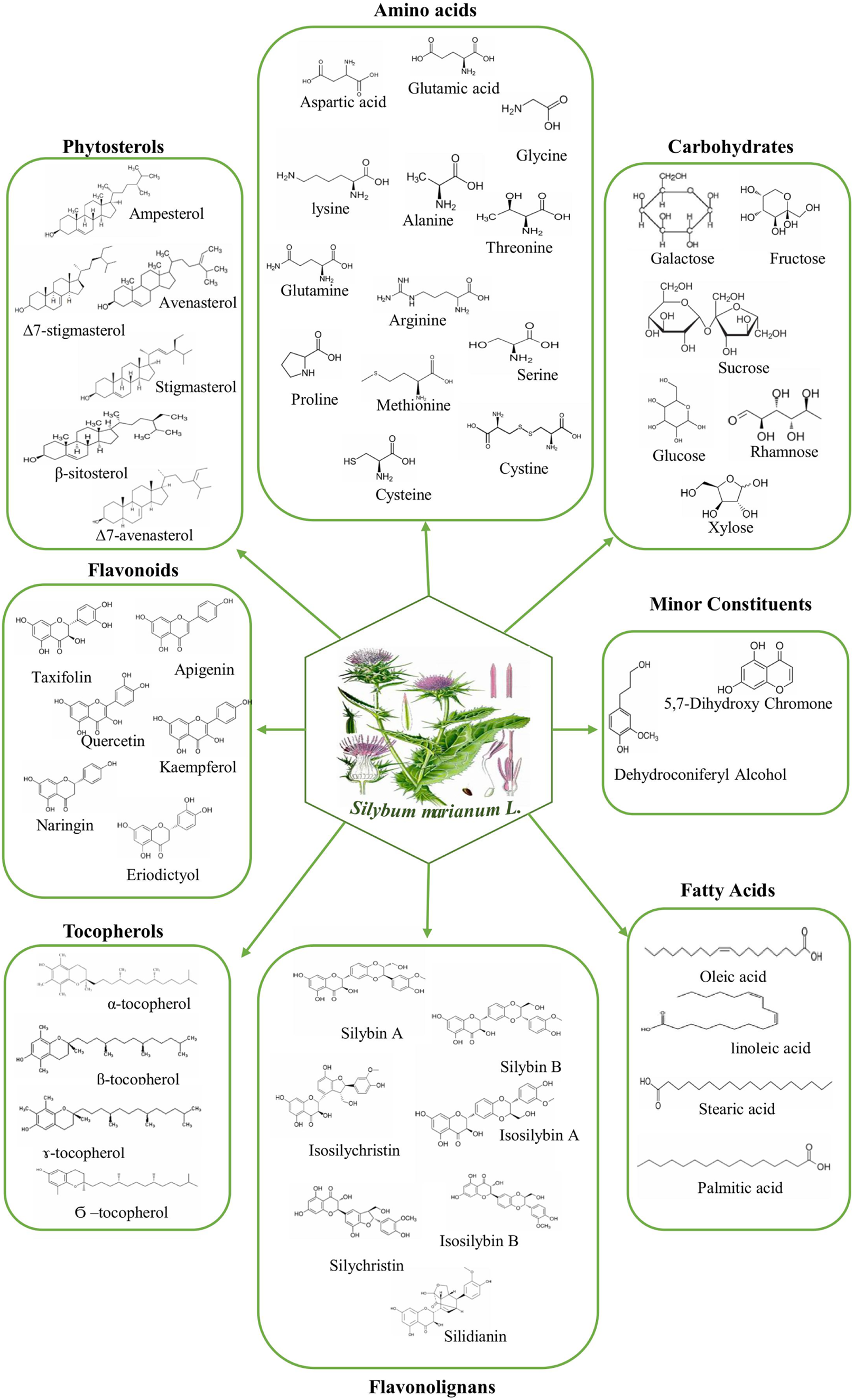
Milk thistle isn't just a prickly weed—it's a powerhouse of liver-protecting compounds waiting to be unlocked for your plate. But getting those goodies out of the plant has been a stubborn scientific puzzle.
Milk thistle, a spiky plant native to England's coast, is packed with flavonolignans—especially silymarin—famous for antioxidant and liver-protecting powers. Yet, despite its promise, getting these compounds into everyday foods has been a headache. Traditional extraction methods are inefficient, unselective, and hard to scale up.
This review digs into the toolbox of extraction strategies, comparing old-school methods with greener, emerging ones. The verdict? Green technologies—like natural deep eutectic solvents (NaDES) and gas-expanded liquid extraction (GELE)—boost mass transfer, slash solvent use, and keep bioactive compounds intact. They're especially good at pulling out polar compounds, though they face hurdles like high viscosity and regulatory red tape.
To make milk thistle a practical food ingredient, scientists are now combining strategies: optimizing processes, integrating green solvents, and building hybrid extraction systems. These moves aim to boost yield, selectivity, and industrial feasibility. But the road isn't smooth—compound degradation, impurity formation, and a lack of standardization still loom large.
Safety first: comprehensive assessments and regulatory alignment are crucial before milk thistle can safely enrich our foods. The potential is real, but science must tread carefully to turn this botanical treasure into a trusted kitchen staple.
Key Points
- Milk thistle's silymarin offers antioxidant and liver-protective benefits.
- Green extraction methods improve efficiency and preserve bioactive integrity.
- Safety and standardization are crucial for food applications.
Comments
No comments yet — be the first.