Simultaneous green extraction of fat and bioactive compounds of cocoa shell and protein fraction functionalities evaluation
Cocoa shells are usually thrown away—but new research shows they hide a treasure trove of fat, bioactive compounds, and functional proteins. Could this waste become a valuable food ingredient?
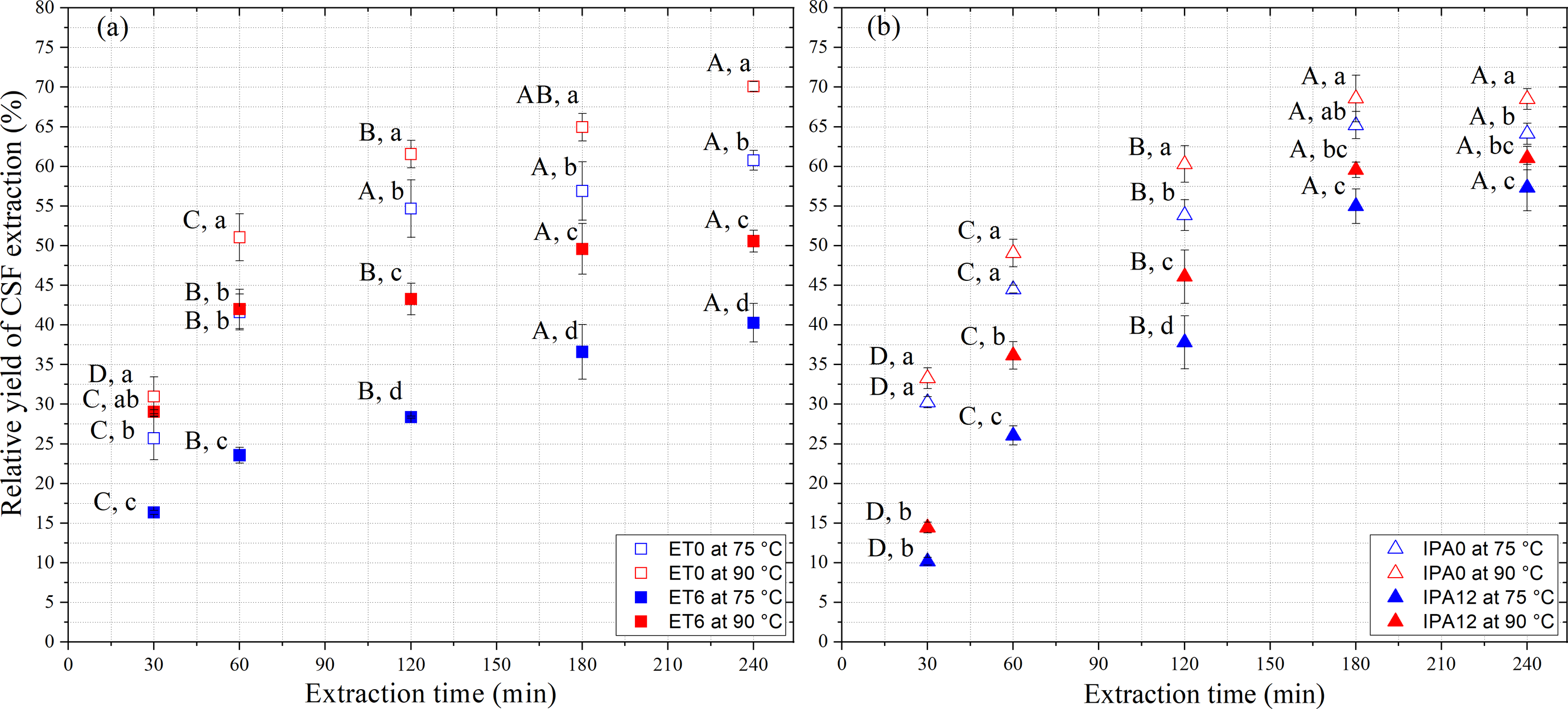
Every year, the cocoa industry generates millions of tons of shells—often discarded or burned. Now, scientists have found a greener way to unlock their potential: using simple alcoholic solvents under normal pressure to extract both fat and bioactive compounds in one go. The study tested ethanol and isopropanol at 75°C and 90°C to see how well they could pull out valuable components from cocoa shell. The results were striking: fat extraction yields ranged from 36% to 70%, with the highest numbers achieved using pure (absolute) alcohols. Hydrated alcohols, on the other hand, proved better at extracting bioactive compounds—especially alkaloids—reaching yields up to 73%. The defatted solids also showed promise as functional food ingredients. Using isopropanol, the protein fraction exhibited impressive foaming capacity (34 ± 2%) and stability (57 ± 3%), as well as emulsifying capability of 126 ± 2 m²/g with stability of 53 ± 4 minutes. The extracted fat even had a fatty acid composition similar to cocoa butter. This means cocoa shell could be transformed from waste into a source of valuable ingredients for food systems.
Key Points
- Green extraction of cocoa shell fat and bioactives using alcohol solvents.
- Fat yields up to 70%; alkaloid yields up to 73%.
- Defatted solids show promising protein functionalities for food use.
Comments
No comments yet — be the first.