SOLID DISPERSION AS A POTENTIAL APPROACH TO IMPROVE DISSOLUTION AND BIOAVAILABILITY OF CURCUMIN FROM TURMERIC (CURCUMA LONGA L.)
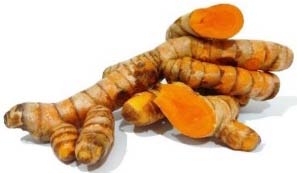
Curcumin is a golden molecule with a dark secret: it's nearly insoluble in water, making it a challenge for modern medicine. But what if we could trick this stubborn compound into being absorbed?
Turmeric's vibrant yellow pigment, curcumin, has long been celebrated for its pharmacological potential—yet it struggles to dissolve and be absorbed by the body. This review dives into a clever workaround: solid dispersion, a technique that disperses curcumin within a carrier to boost its solubility and bioavailability.
Researchers have explored various methods, including solvent evaporation, melting, and co-milling, paired with different carriers. However, the results are not always spectacular—the choice of method, carrier, and solvent dramatically influences how curcumin particles arrange, which in turn affects the system's performance.
Interestingly, certain hydrophilic surfactants can inhibit transporters like P-gp and MRP, which normally pump curcumin out of cells, thereby enhancing its absorption. The review also highlights Natural Deep Eutectic Solvents (NADES) as a promising new alternative for crafting these dispersions.
The bottom line: to unlock curcumin's full potential, careful selection of preparation methods, carriers, and solvents is essential. This approach could turn a challenging compound into a therapeutic asset.
Key Points
- Solid dispersion boosts curcumin's solubility and bioavailability.
- Carrier type and method critically affect system performance.
- NADES offers promising new solvent opportunities.
Comments
No comments yet — be the first.