Sophora japonica Nanoemulsion: Ultrasound-Assisted Extraction and Characterization
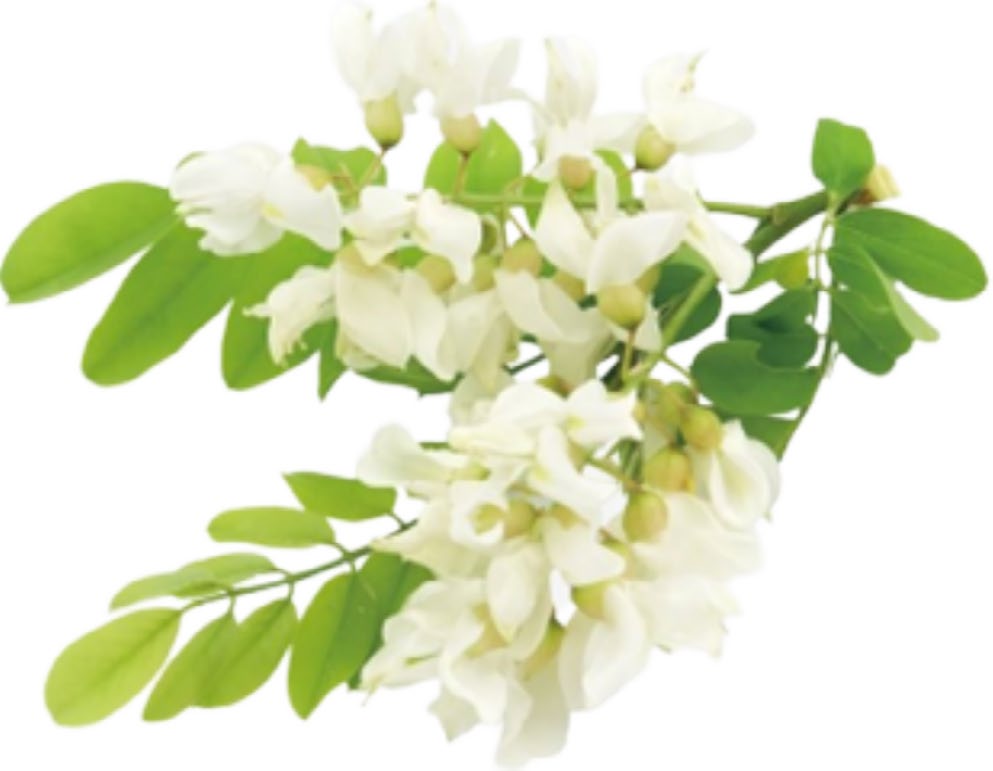
What if a traditional Asian medicinal plant could be transformed into a tiny, stable droplet with powerful antioxidant punch? A new study shows how ultrasound can unlock the hidden potential of Sophora japonica.
Sophora japonica, a member of the pea family, has long been prized in traditional Asian medicine. Now, scientists have found a modern way to supercharge its bioactive compounds: ultrasound-assisted extraction. This technique outperformed traditional maceration, yielding a total phenolic content of 65.57 mg gallic acid equivalent per milliliter, compared to 51.18 mg from maceration.
The proof is in the antioxidant activity. In DPPH scavenging tests, the ultrasound extract neutralized 67% of free radicals, while the ethanolic extract managed only 59%. But the real magic happens when these extracts are turned into nanoemulsions—tiny droplets averaging 252.92 nm in size, with a zeta potential of -36.68 mV. These numbers signal excellent stability, keeping the droplets from clumping or breaking apart.
A 5-day oxidative stability study revealed a stark contrast: the water-based nanoemulsion remained stable, while the ethanolic version showed clear signs of separation and oxidation. This suggests that ultrasound-assisted extraction not only boosts compound recovery but also helps create nanoemulsions that could thrive in food and pharmaceutical applications.
Key Points
- Ultrasound extraction boosts phenolic content to 65.57 mg/mL
- Nanoemulsion size 252.92 nm, zeta potential -36.68 mV
- Water-based nanoemulsion remains stable over 5 days
Comments
No comments yet — be the first.