Spruce, pine and fir needles as sustainable ingredients for whole wheat bread fortification: Enhancing nutritional and functional properties
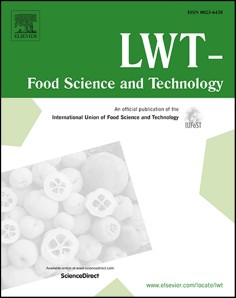
What if the secret to a healthier, longer-lasting loaf of bread was hiding in the forest—literally in the needles of spruce, pine, and fir trees?
Forestry leaves behind more than timber. Spruce, pine, and fir needles—often discarded as by-products—may be the next superfood ingredient for your daily bread. Researchers in Finland explored replacing water with needle and twig (NT) extracts in whole wheat bread, at levels of 0, 35, and 70 percent.
The results are striking. After 72 hours of storage, the fortified bread showed a significant boost in polyphenols and an over 80% increase in antioxidant activity. This suggests the needles act as natural preservatives, extending shelf life without synthetic additives.
Using advanced chemical analysis, the team identified 115 compounds in the bread, including flavonoids, phenolic acids, and lignans. Among the substitution levels, 35%—especially with pine NT—struck the perfect balance: enhanced functionality without compromising taste or texture.
The process uses a green extraction technique called hydrodynamic cavitation, making it cost-effective and sustainable. This isn't just about bread; it's about turning forest waste into valuable, health-promoting ingredients, supporting a circular economy.
Key Points
- Conifer needle extracts boost bread's antioxidant activity by over 80%.
- 115 bioactive compounds identified in fortified whole wheat bread.
- 35% pine needle substitution preserves quality and sensory appeal.
Comments
No comments yet — be the first.