Study on various green aqueous extraction techniques for extracting cottonseed milk to improve nutritional quality
What if the cotton plant, long sidelined for its toxic compound, could become the next plant-based milk superstar? A new study says it's possible—with the right green extraction technique.
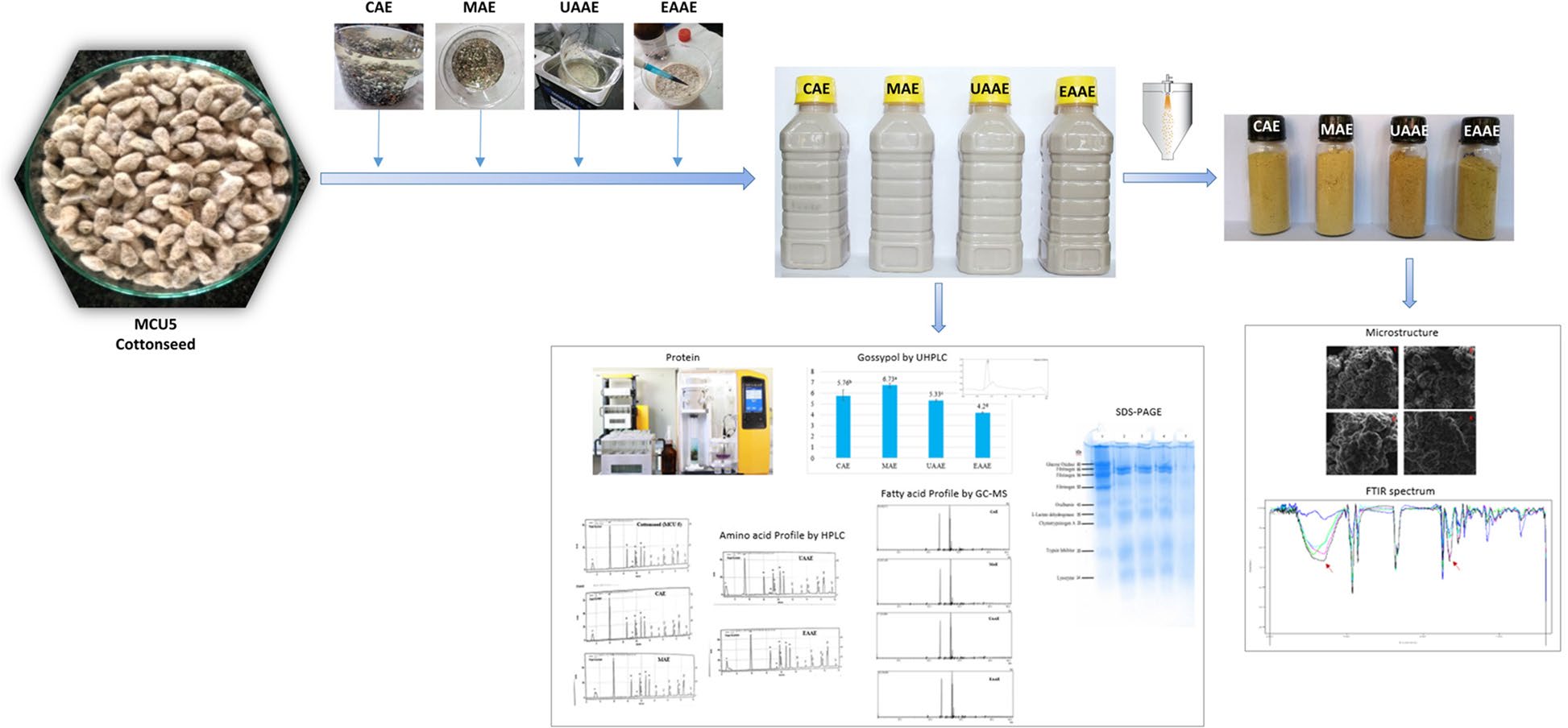
Cottonseed is packed with protein and oil, but its toxic compound gossypol has kept it off our plates. Now, scientists compared four green aqueous extraction methods to turn this underutilized seed into a nutritious milk alternative. The methods—modified, ultrasonic-assisted, enzymatic-assisted, and conventional aqueous extraction—each left a unique mark on the milk's nutritional profile.
Protein levels and amino acid composition varied significantly across methods, while fatty acid profiles stayed steady. Physicochemical traits like yield, viscosity, color, and acidity also shifted. Crude protein ranged from 2.44 to 3.52 g per 100 mL, crude fat from 1.594 to 2.953 g per 100 mL, and gossypol from 42.0 to 67.3 mg·kg⁻¹—all within safe limits for humans.
Spectroscopy revealed subtle structural changes in proteins, hinting at how gossypol interacts. But one method stood out: enzymatic-assisted aqueous extraction (EAAE). It delivered the highest protein and fat, plus superior antioxidant activity, making it the most nutritious and safe choice.
This research turns a cotton byproduct into a promising dairy alternative, offering a sustainable solution for lactose-intolerant and eco-conscious consumers alike.
Key Points
- EAAE yielded highest protein, fat, and antioxidants.
- Gossypol levels in all samples were safe for humans.
- Green extraction methods altered protein but not fatty acids.
Comments
No comments yet — be the first.