Subcritical Water Extraction as an Effective Technique for the Isolation of Phenolic Compounds of Achillea Species
What if the key to unlocking a plant's healing power lies not in the plant itself, but in how we extract it? A new study reveals that a simple change in technique—using subcritical water—can dramatically boost the yield of beneficial compounds from yarrow plants.
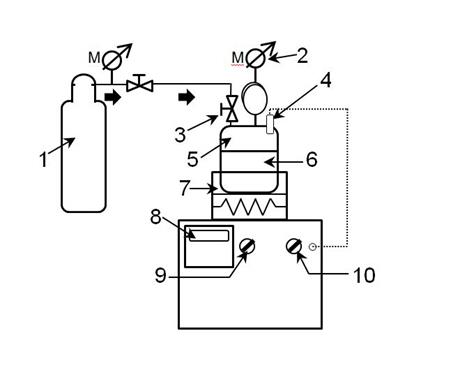
The Achillea genus, commonly known as yarrow, has long been prized for its medicinal potential, thanks to its rich cocktail of bioactive compounds. But to harness that power, you need the right extraction method. A team of scientists set out to compare four techniques—two traditional (infusion and maceration) and two modern (ultrasound-assisted and subcritical water extraction)—across five different Achillea species.
The results were striking. The non-conventional methods, particularly subcritical water extraction (SWE), consistently outperformed the traditional ones. Not only did SWE produce higher total phenolic and flavonoid content, but it also led to a statistically significant increase in extraction yield for all species. The champion was A. asplenifolia, boasting a dry extract yield of 48.80%, while A. millefolium and A. crithmifolia topped the phenolic charts with values of 93.63 and 90.12 mg GAE/g DE, respectively.
Interestingly, for flavonoids, the ultrasound-assisted method took the lead, with A. nobilis subsp. nelreichii showing the highest content (11.11 mg QE/g DE). This suggests that different compounds may respond better to different techniques. Overall, the study points to SWE as a superior extraction technique, and A. nobilis subsp. nelreichii as a particularly promising candidate for future applications. The takeaway? Sometimes, the secret ingredient is the method itself.
Key Points
- Subcritical water extraction boosts phenolic yield significantly.
- A. asplenifolia hits 48.80% dry extract yield.
- A. nobilis subsp. nelreichii shows highest flavonoid content.
Comments
No comments yet — be the first.