Subcritical water extraction of natural products
What if ordinary water could transform into a green chemical solvent just by turning up the heat and pressure? This is the secret behind subcritical water extraction, a powerful eco-friendly technique reshaping how we harvest nature's chemistry.
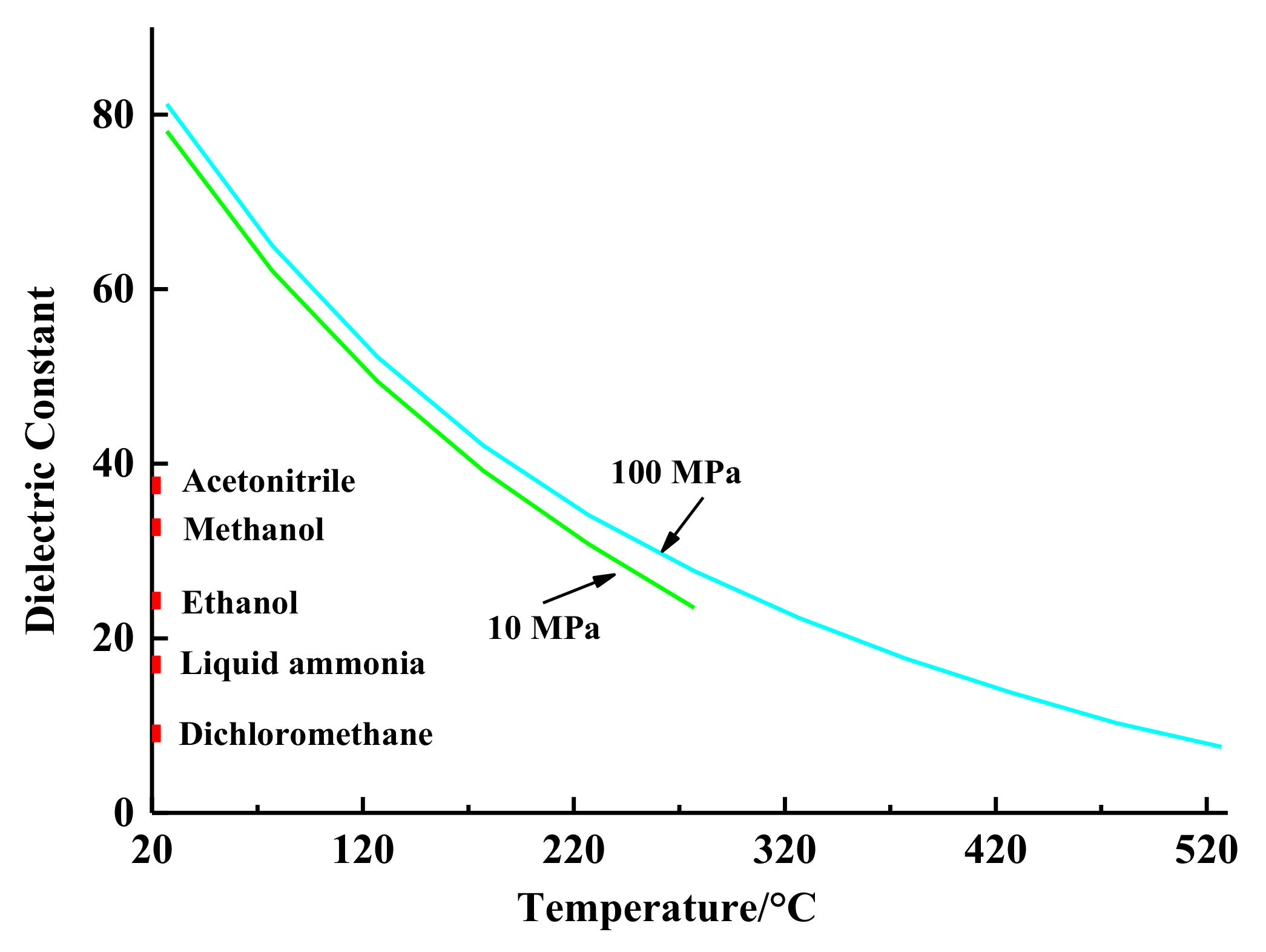
Subcritical water is simply water kept liquid at high temperatures and pressures. By tweaking the heat, its polarity drops dramatically, allowing it to act just like organic solvents like methanol or ethanol. This review explores subcritical water extraction (SBWE) for gathering natural compounds from everything from medicinal herbs and vegetables to algae, grains, and food by-products. It captures a vast array of molecules, including alkaloids, flavonoids, essential oils, and polyphenolics.
The perks are hard to ignore. Water is totally nontoxic, leaving behind zero hazardous liquid waste. Plus, by tuning the temperature—ideally between 130 and 240 degrees Celsius—scientists can selectively target different compounds, pulling polar molecules at lower heat and less polar ones as it gets hotter.
Yet, this extreme environment demands respect. High heat and pressure require careful safety protocols, and researchers must watch out for potential organic degradation. When pure water isn't enough, adding tiny amounts of modifiers like ethanol, salts, or ionic liquids, or combining the setup with microwaves and sonication, gives this green technology an extra boost.
Key Points
- Subcritical water polarity adjusts via temperature
- Optimal extraction temperature ranges from 130 to 240 °C
- Water is nontoxic and leaves no liquid waste
Comments
No comments yet — be the first.