Sustainable Valorization of Cocoa Bean Shells: Efficient Extraction of Phenolic Compounds and Methylxanthines
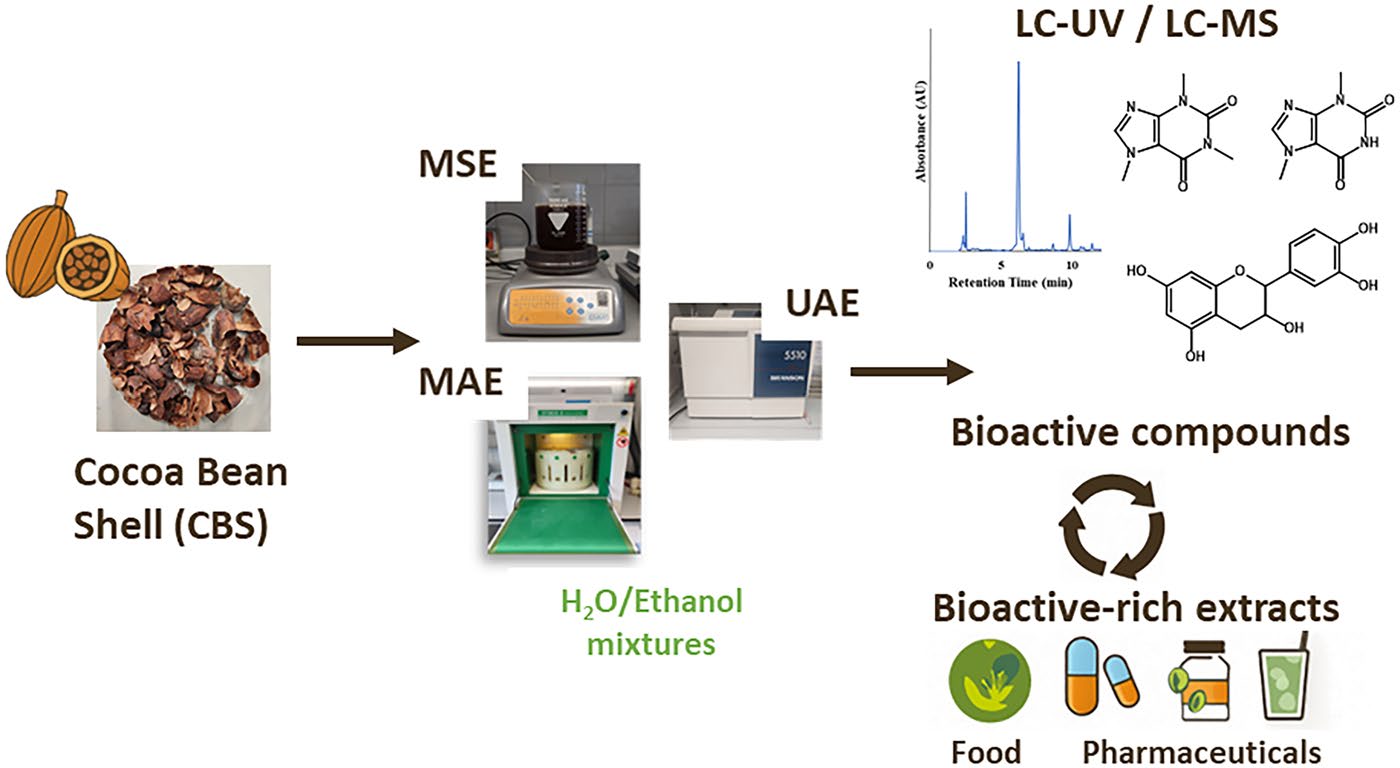
Cocoa bean shells, the industry's massive leftover, hide a treasure trove of health-boosting compounds—and scientists just found the greenest way to unlock them.
Every chocolate bar leaves behind a mountain of cocoa bean shells—a by-product so abundant it's often discarded or burned. But inside those humble husks lie phenolic compounds and methylxanthines like theobromine and caffeine, molecules with antioxidant and stimulant potential. The challenge? Extracting them without harsh chemicals or excessive energy.
A new study put three green extraction methods to the test: mechanical stirring, microwave assistance, and ultrasound. Researchers systematically varied ethanol concentration, time, and temperature to find the sweet spot. The winner? A simple 50:50 ethanol-water mix, stirred at 50°C for just 30 minutes. This method recovered the highest levels of polyphenols and methylxanthines while keeping energy use and scalability in mind.
Using HPLC and spectrophotometry, the team quantified the key bioactives and confirmed antioxidant activity. LC-MS/MS then revealed the presence of epicatechin, catechin, and procyanidins—compounds linked to cardiovascular and metabolic benefits.
The implications stretch beyond the lab. By turning waste into a source of valuable molecules, this approach fits neatly into circular economy models, offering food, pharmaceutical, and nutraceutical industries a sustainable path forward. Cocoa bean shells, it seems, are far more than trash.
Key Points
- Ethanol-water 50:50 was the most efficient solvent.
- Mechanical stirring at 50°C for 30 min gave highest yields.
- Confirmed epicatechin, catechin, procyanidins via LC-MS/MS.
Comments
No comments yet — be the first.