Sustainable Valorization of Olive Oil By-Products: Green Extraction of Phytochemicals, Encapsulation Strategies, and Food Applications
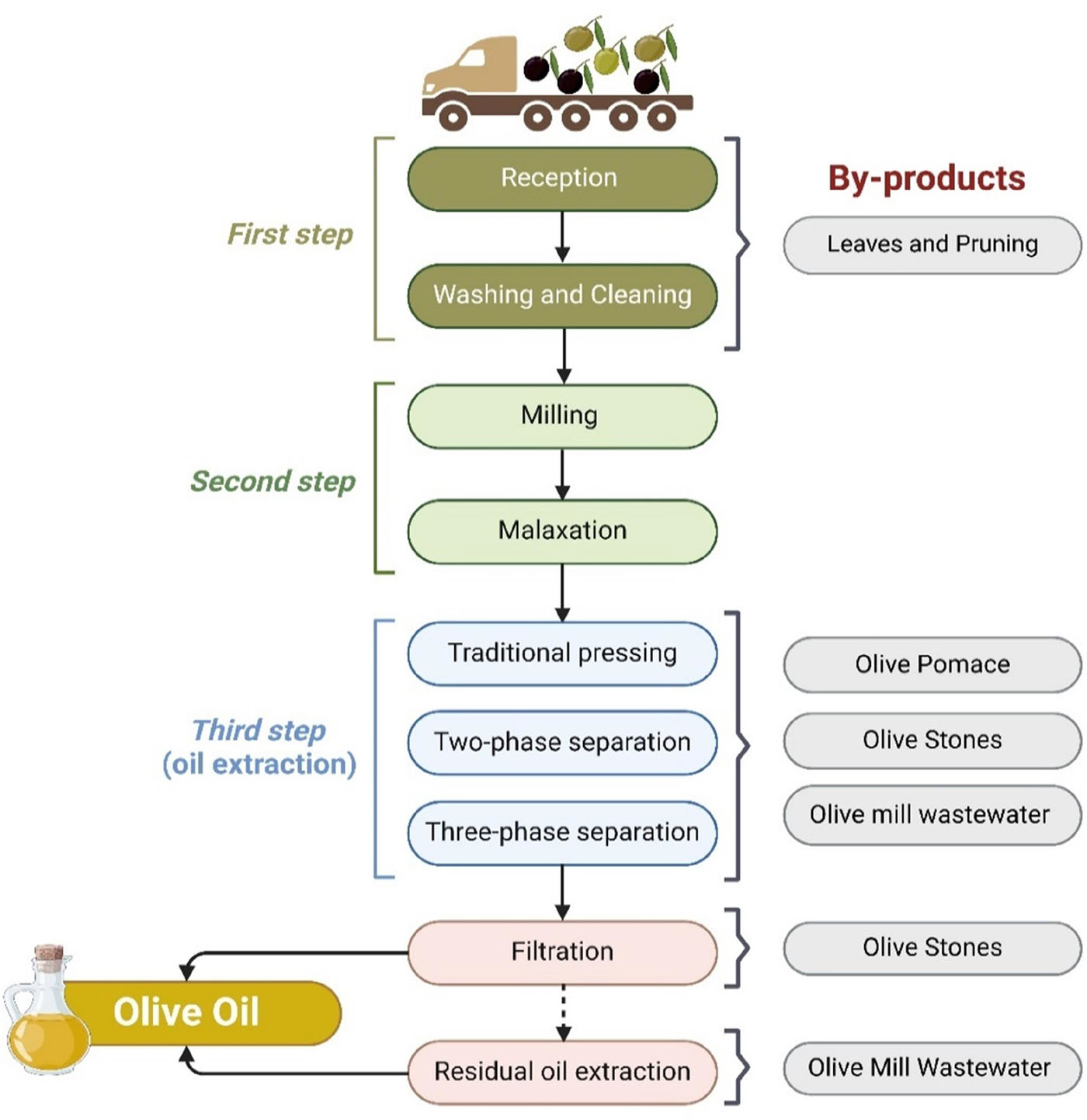
Olive oil is liquid gold — but its production leaves mountains of waste. Hidden inside that waste are powerful molecules that could transform food, cosmetics, and medicine.
Every drop of olive oil comes with a shadow: olive leaves, pomace, wastewater, and stones. These by-products are not trash — they are treasure troves of polyphenols and secoiridoids, compounds known for their antioxidant, anti-inflammatory, antimicrobial, and cardioprotective powers. Yet their instability and poor bioavailability keep them from reaching their full potential.
This review explores how green chemistry can unlock that potential. Ultrasound, microwaves, supercritical fluids, and deep eutectic solvents (DES) are emerging as eco-friendly keys to extract these fragile bioactives without harming the planet. These methods recover valuable compounds while shrinking the environmental footprint of olive oil production.
But extraction is only half the battle. Encapsulation — using agents like chitosan, maltodextrin, cyclodextrin, and alginate — protects these compounds, improving their solubility, stability, and controlled release. The result: stable, usable ingredients for functional foods, nutraceuticals, and beyond.
The vision is bigger than recycling. By integrating biorefineries, olive waste can become biodegradable packaging, animal feed, and agricultural solutions. This is not just waste management; it is a blueprint for a circular bioeconomy where every olive leaf earns its keep.
Key Points
- Olive by-products are rich in polyphenols and secoiridoids.
- Green extraction and encapsulation boost stability and bioavailability.
- Waste becomes biodegradable packaging and circular bioeconomy resources.
Comments
No comments yet — be the first.