Tamarillo (Solanum betaceum Cav.) wastes and by-products: Bioactive composition and health benefits
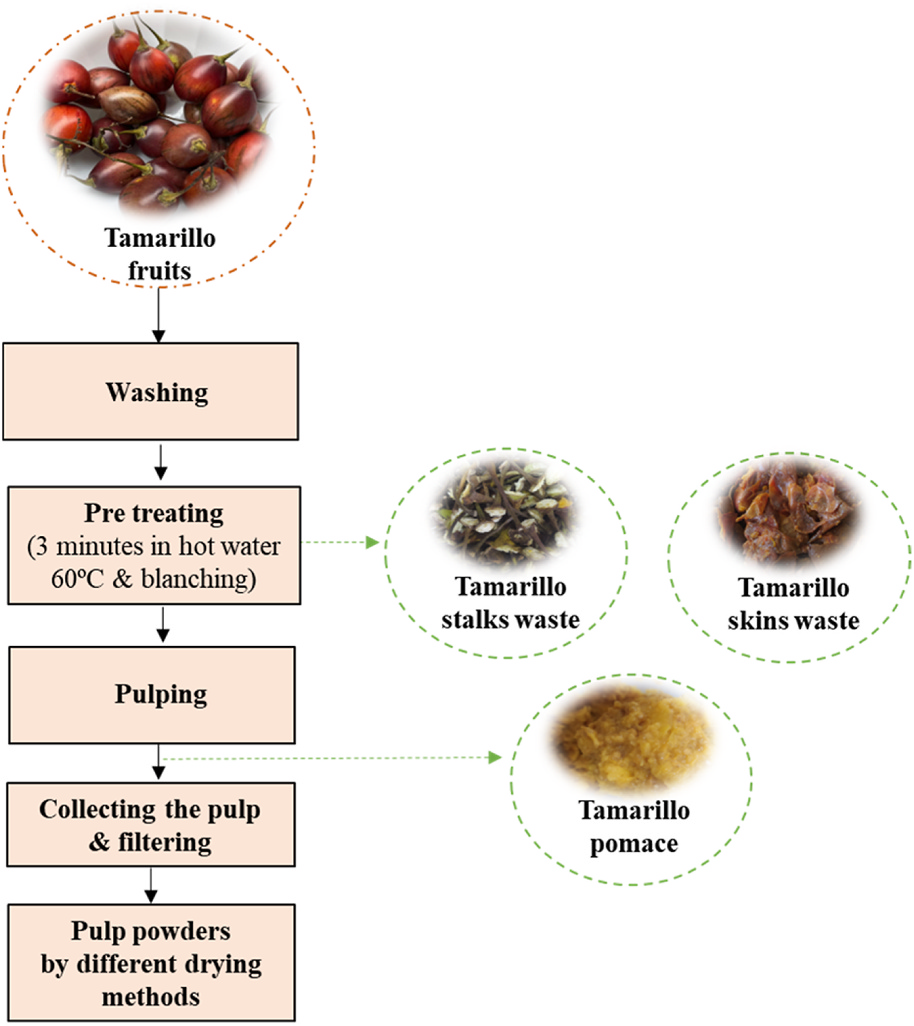
A single tamarillo tree can yield up to 30 kg of fruit each year—but what happens to the peels, seeds, and pulp left behind? These 'wastes' are hiding a treasure trove of bioactive compounds.
The tamarillo, also known as the tree tomato, is native to the Andean regions of South America but has found a second home in New Zealand, where farmers have developed three commercial cultivars: yellow, red, and purple-red. These colorful fruits owe their hues to anthocyanins and carotenoids, pigments that are also potent antioxidants. But the real story lies in what we throw away.
Each tree produces up to 30 kg of fruit annually, and processing for juices, jellies, and ketchup leaves behind significant waste—skins, seeds, and pulp. Researchers are now examining this by-product stream, summarizing data from existing studies to highlight its bioactive composition. The goal: to turn waste into functional foods, pharmaceuticals, and cosmeceuticals.
Beyond nutrition, tamarillo cultivation supports small farmers, especially in Brazil where it's grown via family farming. In New Zealand, production reached about 622 tons in 2019, with exports to America, Australia, and Asia. In Argentina, the fruit—known as chilto—is gaining traction for sustainable large-scale use. The message is clear: this overlooked fruit, and its waste, may hold keys to health and economic resilience.
Key Points
- Tamarillo waste is rich in bioactive compounds.
- Three commercial cultivars exist in New Zealand.
- Each tree yields up to 30 kg fruit annually.
Comments
No comments yet — be the first.