The Ability of Acid-Based Natural Deep Eutectic Solvents to Co-Extract Elements from the Roots of Glycyrrhiza glabra L. and Associated Health Risks
Licorice root has been a healing staple for centuries, but what if the very solvents used to unlock its benefits also carry hidden passengers? For the first time, scientists have checked—and the results are surprisingly reassuring.
Licorice root (Glycyrrhiza glabra L.) has been a trusted remedy in traditional and official medicine for centuries. Today, natural deep eutectic solvents (NADES) are the new green darlings of phytochemical extraction, praised for their ability to pull out active compounds. But here's the catch: could these solvents also co-extract trace elements from the plant, potentially introducing health risks? A new study decided to find out, testing acid-based NADES on licorice roots for the very first time.
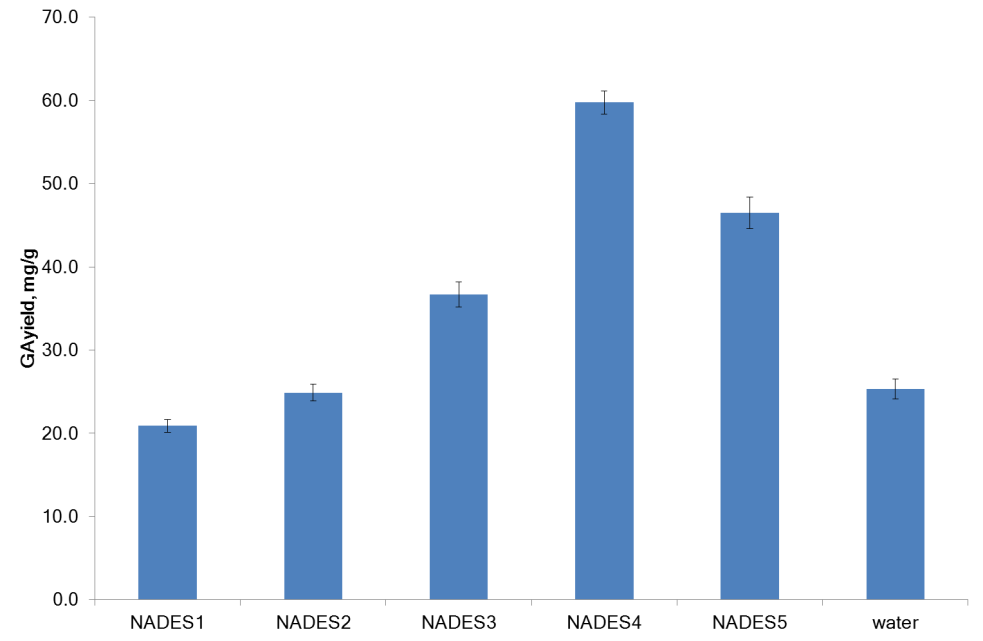
The star compound, glycyrrhizic acid (GA), dominated the extracts, with yields ranging from 0.145 to 0.495 mg/g. Interestingly, lactic acid-based NADES outperformed others, likely because its acidity (pKa) closely matches that of GA. In fact, some NADES formulations yielded significantly more GA than plain water. However, when it came to trace elements, the story flipped: all tested NADES recovered less than 6% of elements (except lithium), suggesting a selective extraction process.
The type of hydrogen bond donor in the NADES played a decisive role in element recovery, as confirmed by ANOVA. A strong positive correlation emerged between GA recovery and the metal pollution index (MPI), yet the calculated health risk metrics—hazard quotient, hazard index, and chronic daily intake—indicated that all extracts were nontoxic, posing no risk for ingestion or topical use. So, the next time you sip licorice tea, rest easy: science has your back.
Key Points
- First test of acid-based NADES co-extracting elements from licorice roots.
- Lactic acid NADES boosted glycyrrhizic acid yield (0.145–0.495 mg/g).
- All extracts nontoxic: no health risk for ingestion or topical use.
Comments
No comments yet — be the first.