The Green Extraction of Blueberry By-Products: An Evaluation of the Bioactive Potential of the Anthocyanin/Polyphenol Fraction
What if the leftover blueberry pulp from juice making could become a treasure trove of health-boosting compounds? Scientists have found a way to turn this waste into powerful natural extracts using just water and microwaves.
In a world drowning in waste, a new study shines a light on the humble blueberry pomace—the leftover skins and seeds from juice production. Instead of tossing it aside, researchers used two green techniques: microwave-assisted extraction (MAE) and a more intense version called microwave-assisted subcritical water extraction (MASWE). These methods use only water and heat, avoiding harsh chemicals, to pull out valuable bioactives.
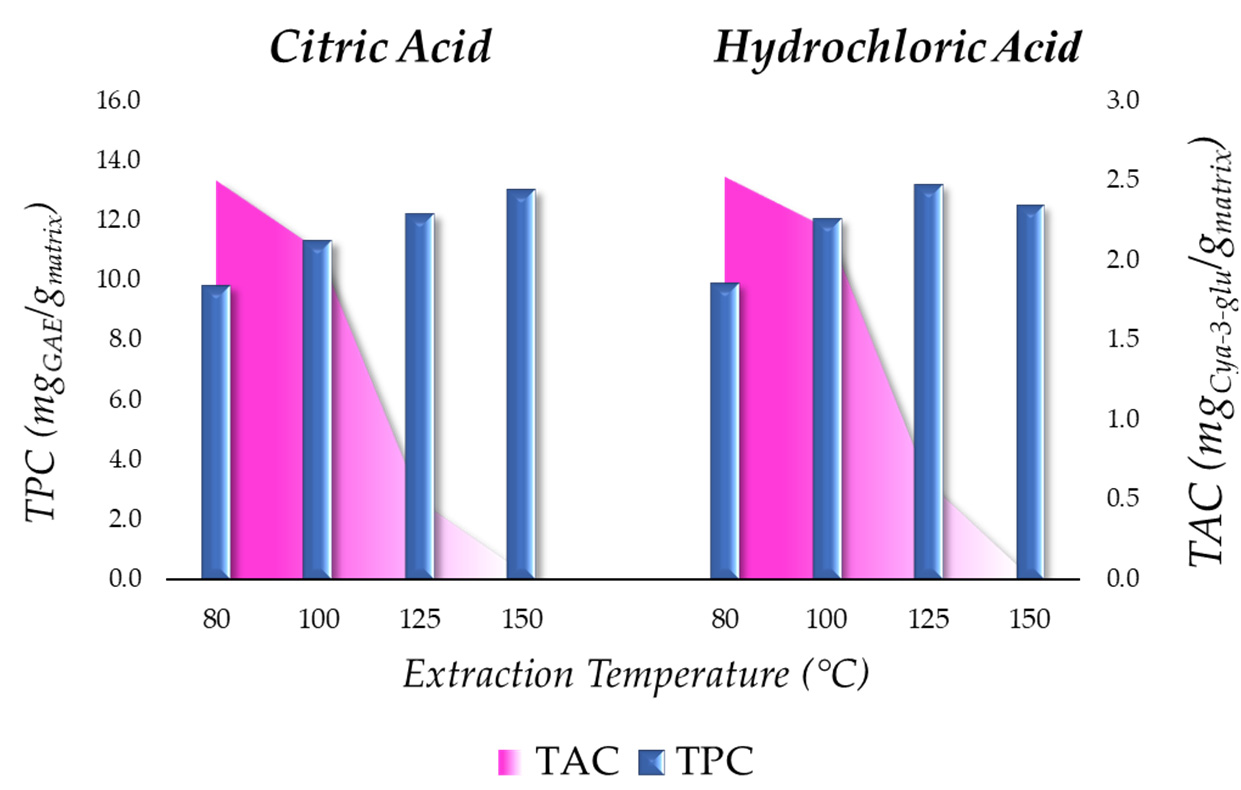
The first extract, MAE 1°, was obtained at a gentle 80°C and packed with anthocyanins—the pigments that give blueberries their deep blue hue. With 21.96 mg of cyanidin-3-glucoside per gram, it could serve as a natural food dye. But it also showed promise in inhibiting enzymes like α-amylase and β-glucosidase, hinting at potential anti-diabetic and anti-viral benefits.
The second extract, MASWE 2°, came from a hotter 150°C process and boasted a higher phenolic content (211.73 mg GAE/g), along with stronger antioxidant activity. It was particularly good at blocking acetylcholinesterase and tyrosinase, enzymes linked to Alzheimer's and skin pigmentation. Moreover, it killed cervical cancer cells (HeLa) and protected skin cells (HaCat) from oxidative stress, though the first extract showed similar but weaker effects.
A clever twist: mixing the two extracts in a 3:2 ratio dramatically improved anthocyanin stability, making it a heat-resistant pigment for food products. Compared to a traditional methanol-HCl method, this green approach proved more sustainable, as confirmed by several green metric tools. This study not only reduces waste but also opens doors to functional foods, cosmetics, and pharmaceuticals—all from blueberry leftovers.
Key Points
- Microwave water extraction yields two bioactive-rich blueberry pomace fractions.
- MAE 1° is a natural pigment with anti-diabetic and anti-viral enzyme inhibition.
- MASWE 2° shows strong antioxidant, anti-Alzheimer, and skin-protective effects.
Comments
No comments yet — be the first.