The Impact of Natural Deep Eutectic Solvents and Extraction Method on the Co-Extraction of Trace Metals from Fucus vesiculosus
Could a green solvent be the secret to safer seaweed extracts? New research reveals that natural deep eutectic solvents (NADES) pull out far fewer trace metals than traditional solvents—without sacrificing efficacy.
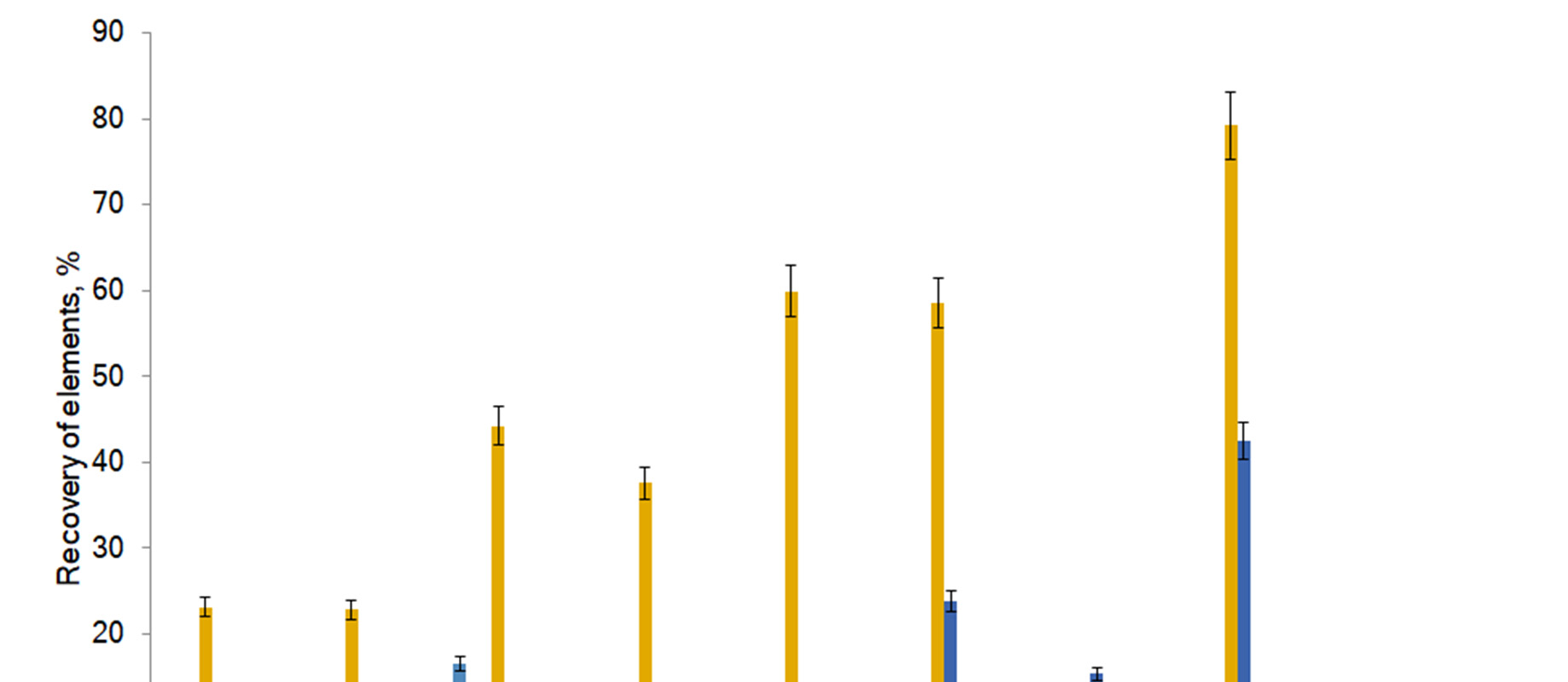
Seaweed extracts are prized in food and medicine, but they can carry unwanted passengers: trace metals. A team investigated whether natural deep eutectic solvents (NADES)—a new class of green solvents—could extract beneficial compounds from Fucus vesiculosus without co-extracting these metals. The results are striking. All tested NADES failed to recover arsenic and cobalt (below detection limits), and recovery of barium, calcium, iron, magnesium, manganese, strontium, and zinc was under 9%. The extraction method itself had little effect, except for barium and calcium. However, water content in the NADES significantly influenced the recovery of several elements. Aluminum and chromium showed variable recovery, ranging from 1.5% to 59.9%. The formulation lactic acid:glucose:H2O (5:3:1) yielded the lowest metal content, while 60–80% water gave the highest extraction. Crucially, the calculated daily intakes and risk indices—hazard quotients, hazard indexes, and carcinogenic risk—were all well below safety thresholds, indicating no health risk from topical use. This study is the first to show that NADES extracts of F. vesiculosus are safer than those from water or 70% acetone, marking a significant advantage for these green solvents.
Key Points
- NADES extracts had lower trace metals than water or acetone.
- Arsenic and cobalt were below detection limits.
- Risk indices were below 1, indicating safety.
Comments
No comments yet — be the first.