The Peels of Fruits and Vegetables: An Increasingly Recognized Source of Bioactive Compounds for Biomedical Applications
Your morning orange peel could be a treasure trove of health-boosting molecules—and a game-changer for sustainable medicine.
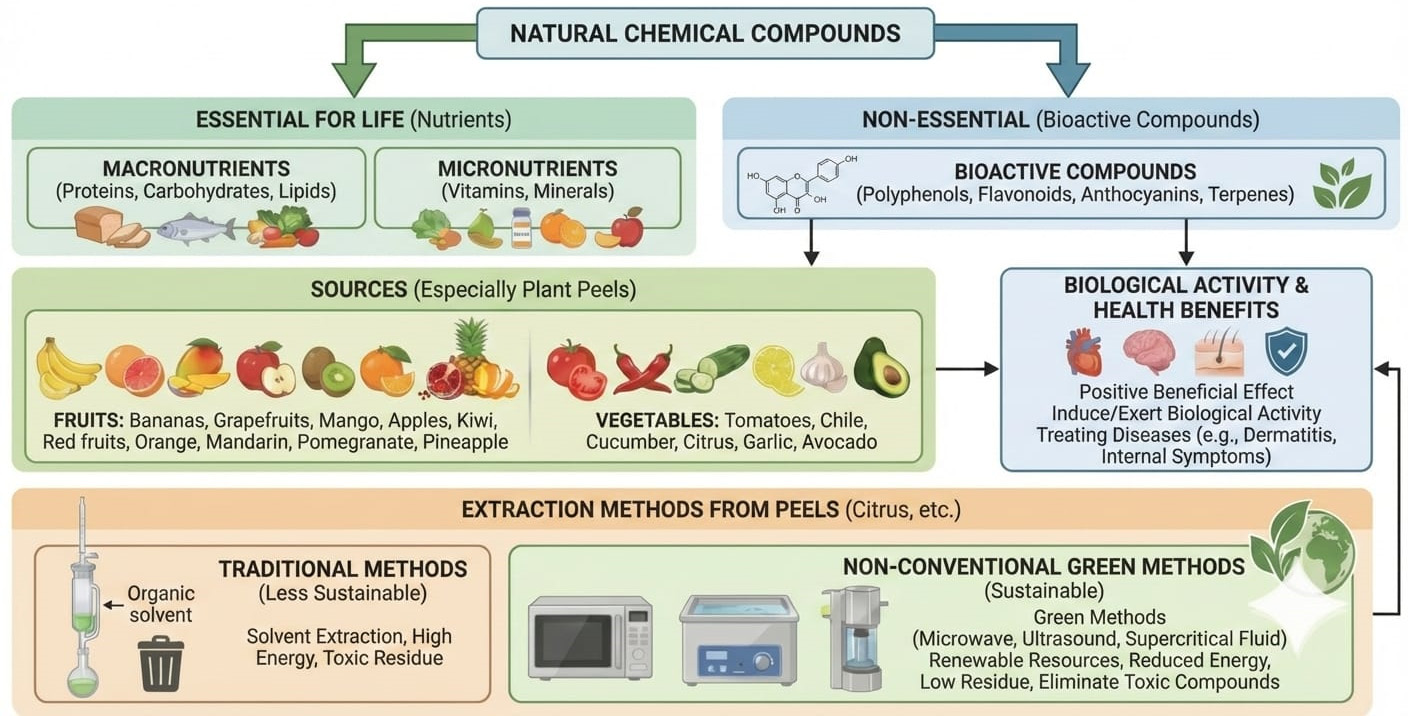
Think twice before tossing those peels. What we call bio-waste is actually a goldmine of phytochemicals—natural compounds that do more than just sit in the compost. They can help fend off chronic diseases like cancer, heart disease, and digestive disorders. The secret lies in polyphenols, a vast family of molecules including flavonoids, phenolic acids, and terpenes like lycopene and carotenoids. These aren't just chemical names; they're tiny defenders with big potential.
Scientists are now turning to peels as a sustainable source for these bioactive compounds. Using safe solvents, they extract valuable molecules from fruit and vegetable skins, turning agricultural waste into a resource. This approach supports a bio-circular economy and even helps remediate soil, reducing the need for hazardous pesticides.
But the story doesn't end at extraction. The real promise lies in biotechnology: designing delivery systems that target these compounds to specific sites in the body. Imagine precision medicine powered by discarded peels. It's a win-win for health and the planet—proof that sometimes, the best solutions come from what we throw away.
Key Points
- Peels are rich in polyphenols, including flavonoids and terpenes.
- Extraction uses safe solvents, supporting sustainable agriculture.
- Bioactive compounds show promise for targeted drug delivery.
Comments
No comments yet — be the first.