The phenolic profile extracted from the desiccation-tolerant medicinal shrub Myrothamnus flabellifolia using Natural Deep Eutectic Solvents varies according to the solvation conditions
What if the solvent itself could decide which medicines to pull from a plant? For the resurrection shrub Myrothamnus flabellifolia, the choice of a green solvent dramatically changes the phenolic treasure it reveals.
The resurrection shrub Myrothamnus flabellifolia can survive near-total dehydration, and it is packed with phenolic compounds that intrigue medicine. But how do we extract them without harsh chemicals? Scientists turned to Natural Deep Eutectic Solvents, or NaDES—designer green liquids made from simple, natural molecules like sugars and acids.
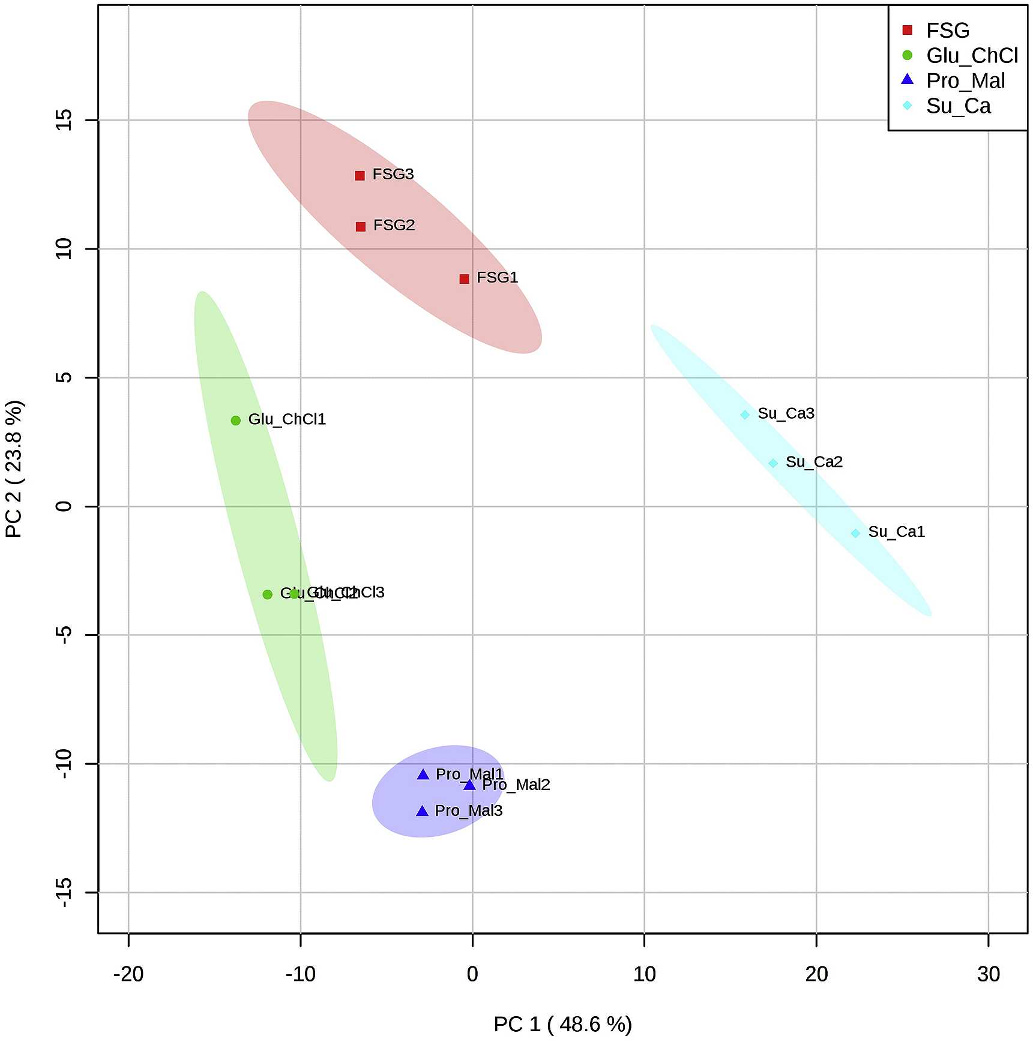
In this study, the team tested four different NaDES with varying acidities on the shrub's leaves. Using a powerful non-targeted metabolomics approach, they mapped the phenolic profiles each solvent pulled out. The results were striking: all NaDES worked, but each one showed a unique 'taste'—extracting different suites of phenolics, as revealed by principal component analysis.
The more acidic solvents went further, preferentially targeting anthocyanins and polymeric pigments. Even more exciting, the NaDES extracted several phenolic compounds never seen before in this plant using conventional organic solvents. This suggests that green chemistry can not only match traditional methods but also uncover entirely new bioactive molecules.
Key Points
- Four NaDES with different acidities extracted unique phenolic profiles.
- Acidic NaDES preferentially pulled out anthocyanins and polymeric pigments.
- NaDES discovered phenolic compounds not seen with conventional solvents.
Comments
No comments yet — be the first.