Total Polyphenolic Content and Antioxidant Activity of Different Extracts from Sideritis scardica
Could a humble mountain plant hold the key to fighting inflammation and neurodegeneration? Meet Sideritis scardica, a Bulgarian endemic herb whose antioxidant powers are now being unlocked by the right solvent.
Sideritis scardica has long been a quiet hero in Bulgarian traditional medicine. Its therapeutic reputation is backed by a rich cocktail of polyphenols, flavonoids, and organic acids—compounds that may help prevent inflammatory and neurodegenerative diseases. But scientists wanted to know: how do different extraction methods affect the plant's antioxidant punch?
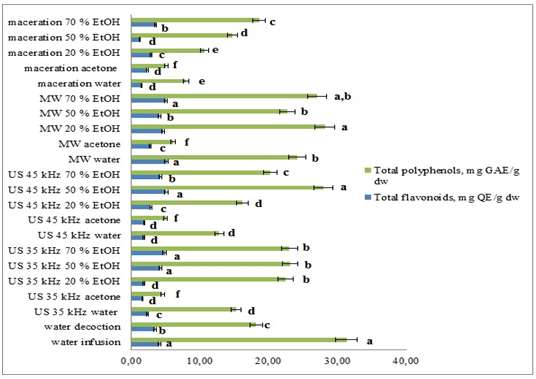
Testing water, acetone, and ethanol-water mixtures, the team used classic techniques like infusion, decoction, and maceration, plus modern green methods like ultrasonic and microwave irradiation. The results were revealing: 70% ethanol extracts boasted the highest polyphenol and flavonoid levels, while microwave and ultrasonic approaches slashed extraction time without sacrificing phenolic content.
Interestingly, the highest extraction yields came from 50% and 70% ethanol maceration, but the strongest antioxidant activity appeared in water and 70% ethanol extracts. A clear positive correlation emerged between polyphenol content and antioxidant activity, confirming that these compounds are the main drivers.
In short, Sideritis scardica is a polyphenol powerhouse. The right solvent and technique can unlock its full potential—offering a natural, green route to therapeutic extracts.
Key Points
- 70% ethanol extracts highest polyphenols and flavonoids
- Microwave/ultrasonic cut time, kept phenolic content
- Polyphenol content correlates with antioxidant activity
Comments
No comments yet — be the first.