Toward a sustainable biorefinery of intestinal mucosa: Green extraction of heparin and valorization of co-products rich in glycosaminoglycans and bioactive peptides
What if the key to sustainable medicine was hidden in the lining of pig intestines? A new green extraction method turns this waste into heparin and valuable bioactive compounds.
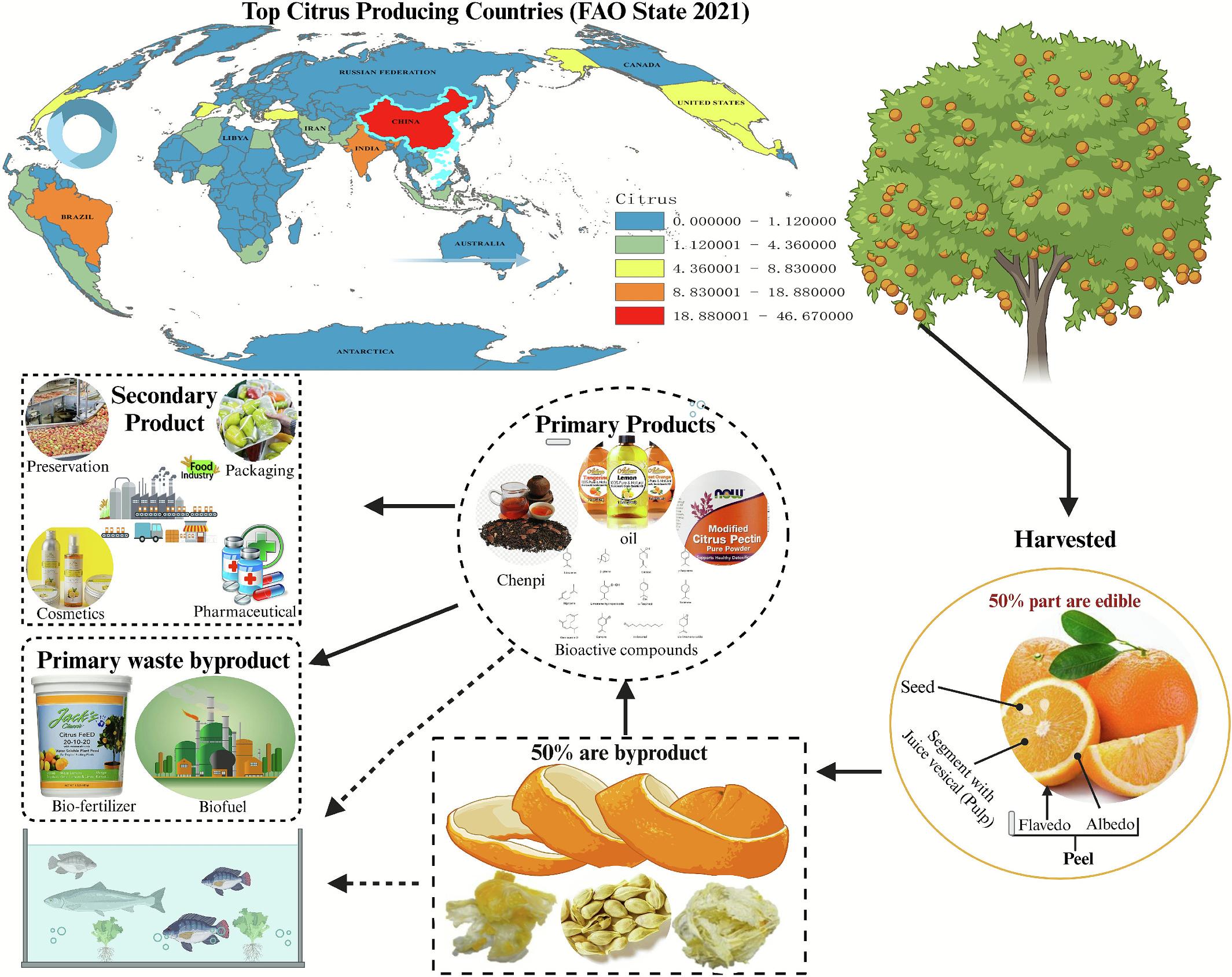
The aquaculture industry is a pillar of global protein supply, but it's under pressure from rising feed costs, disease outbreaks, and environmental concerns. Enter citrus by-products—an overlooked treasure trove of bioactive compounds. These leftovers, from orange peels to lemon rinds, can be transformed into functional aquafeeds that boost fish health and growth.
Green extraction technologies, especially ultrasound-assisted extraction, are changing the game. They can recover phenolic compounds with over 30% higher yields while using far less solvent. This means less waste, lower costs, and a smaller environmental footprint.
The results are promising: lemon peel extracts helped Nile tilapia achieve over 80% survival, while bitter orange essential oil boosted growth and immune gene expression in common carp. Yet, gaps remain in understanding bioavailability and species-specific responses.
This review maps the advances and pinpoints the research needed to make sustainable aquaculture a reality. The future of fish farming—and our dinner plates—may depend on these humble citrus scraps.
Key Points
- Green extraction boosts phenolic yields by 30%.
- Citrus bioactives enhance fish growth and immunity.
- Lemon peel boosts tilapia survival to 80%.
Comments
No comments yet — be the first.