Trends and challenges in phytotherapy and phytocosmetics for skin aging
Skin aging is a battle we all face—but the first line of defense might not be in a lab, but in nature itself. Could plant-based remedies replace synthetic drugs that come with dangerous side effects?
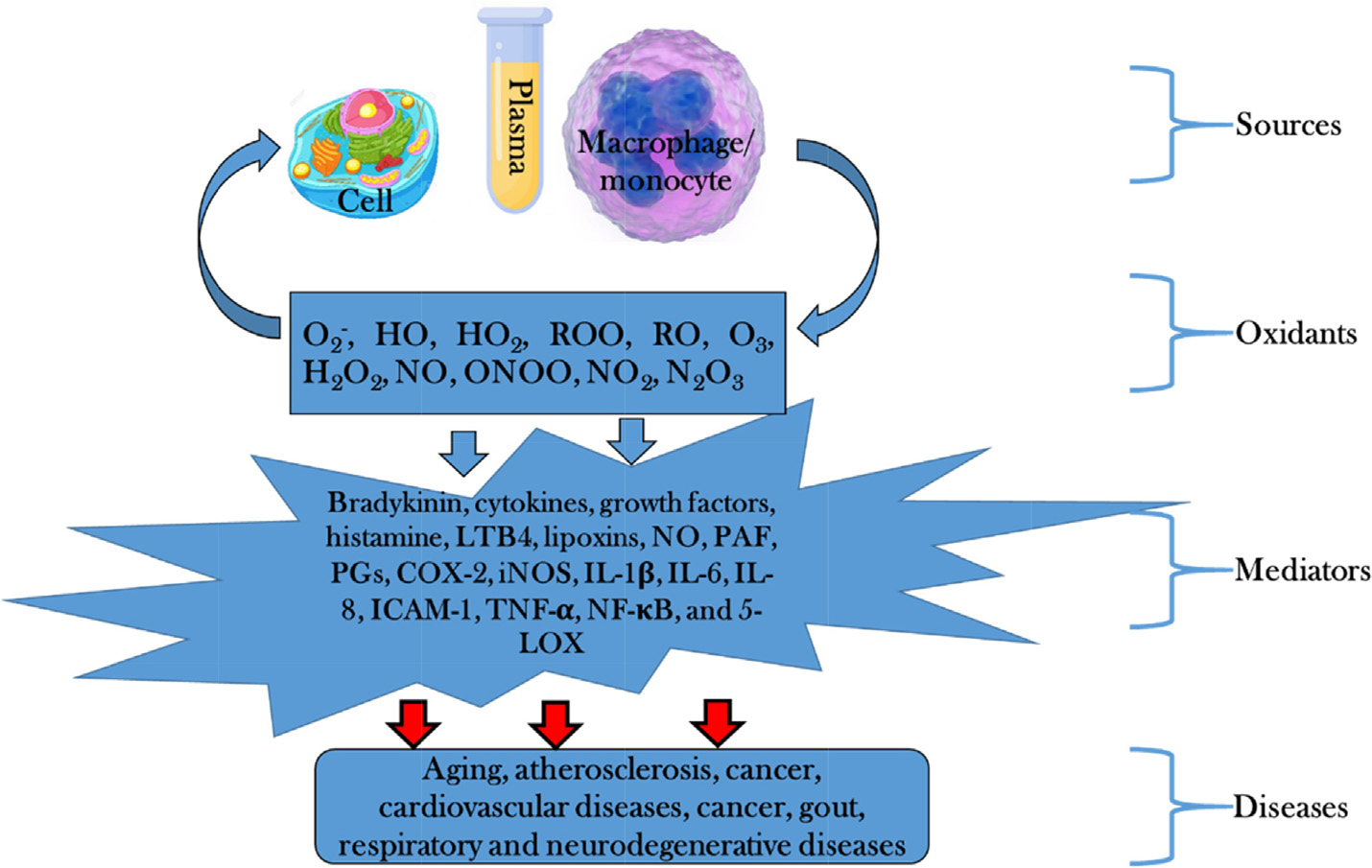
When inflammation drives skin aging, the standard response is often a class of drugs called NSAIDs—think aspirin or ibuprofen. These synthetic compounds work by blocking cyclooxygenase enzymes, cutting off the production of prostaglandins from arachidonic acid. But their effectiveness comes at a cost: gastrointestinal bleeding, cardiovascular risks, kidney damage, and even bone marrow depression.
That's why researchers are turning to nature. Plant-derived extracts contain complex mixtures of active and inactive compounds, making them promising leads for new anti-inflammatory therapies. Unlike synthetic NSAIDs, which often inhibit COX-1 and cause stomach ulcers, plant-based options may offer selective COX-2 inhibition—potentially safer and more affordable for patients worldwide.
The review carefully analyzed selected articles on phytotherapy and phytocosmetics for skin aging. The goal? To highlight trends and challenges in developing natural alternatives that are not only effective but also accessible. As the search for selective COX-2 inhibitors intensifies, plants may hold the key to aging gracefully—without the side effects.
Key Points
- NSAIDs treat inflammation but cause severe side effects
- Plant extracts offer safer, more affordable anti-inflammatory alternatives
- Selective COX-2 inhibitors from nature are a key research focus
Comments
No comments yet — be the first.