Trends on valorization of pitaya fruit biomass through value-added and green extraction technology – A critical review of advancements and processes
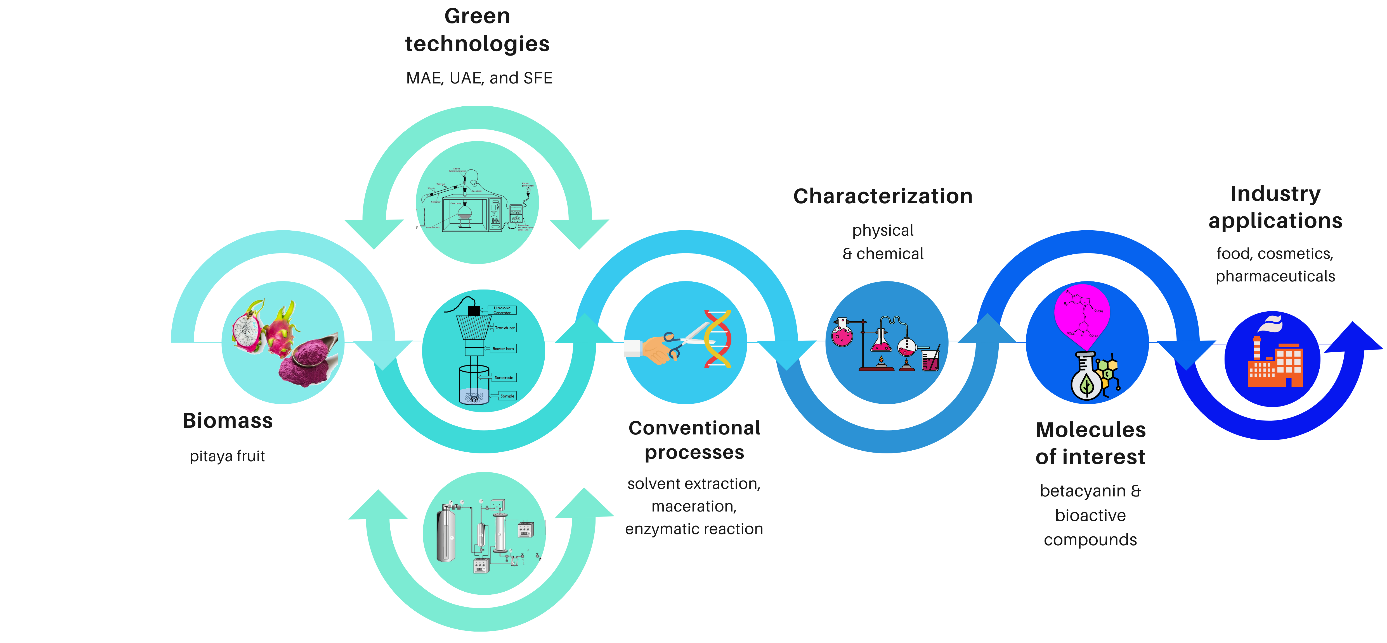
The fruit that looks like a dragon's egg is quietly saving the planet—one peel at a time. As food waste chokes our landfills, scientists are turning pitaya biomass into a treasure trove of health-boosting compounds.
Global food waste is no small fry—it's a heavyweight champion of environmental problems, gobbling up landfill space and fueling global warming. But a growing band of researchers is fighting back with a clever twist: turning trash into treasure. By mining bioactive compounds from agricultural leftovers, they're designing green extraction methods that deliver high yields without the toxic solvent hangover.
Enter the pitaya, or dragon fruit, a superstar in this waste-to-wealth saga. This review spotlights three green technologies that get the best out of pitaya biomass, focusing on quality and quantity of extracts. The fruit's rich arsenal includes polyphenols, flavonoids, triterpenoids, and the natural pigment betacyanin—a colorful compound with serious health credentials: anti-microbial, anti-cancer, anti-diabetic, and even anti-aging powers.
But it's not just about health. Pitaya's sugars, polysaccharides, and pectin make it a darling of the food industry. The review also digs into how cultivation, maturation, and pigment formation shape betacyanin production, offering a roadmap for future optimization. The message? Green tech can turn a spiky fruit into a sustainable goldmine—if we tweak the right parameters.
Key Points
- Pitaya biomass valorized via three green extraction technologies.
- Rich in polyphenols, betacyanin, and health-promoting bioactives.
- Future work: optimize green tech for higher yield and quality.
Comments
No comments yet — be the first.