Ultrasonic-assisted extraction of flavonoids from Amomum villosum Lour. Using natural deep eutectic solvent: Process optimization, comparison, identification, and bioactivity
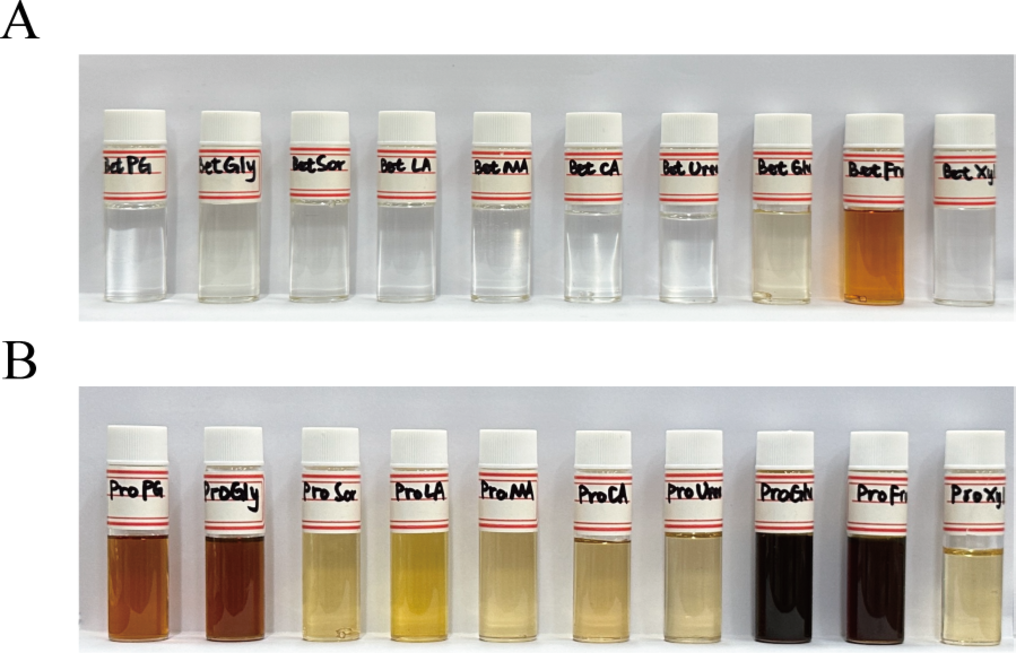
What if the secret to greener, smarter extraction of medicinal compounds was hiding in everyday ingredients like beet sugar and glycerol? A new study turns this idea into reality for a prized Chinese herb.
Amomum villosum, a spice and medicine cherished for centuries, just got a modern makeover. Scientists swapped harsh conventional solvents for a natural deep eutectic solvent (NaDES) made from betaine and glycerol—a surprisingly effective duo. With ultrasound assistance, they optimized the extraction process, achieving a maximum flavonoid yield of 82.22 mg rutin equivalent per gram of dry weight. That's a powerhouse of antioxidants, ready for action.
But the magic didn't stop at quantity. Compared to traditional methods, this NaDES-based approach delivered higher total flavonoid content and better DPPH radical scavenging activity. It also unlocked a broader diversity of flavonoids and kept them stable, no small feat for delicate plant compounds. The extract even showed promising anti-inflammatory and anti-cancer effects, hinting at real-world potential.
What makes this truly exciting is the solvent's biocompatibility. By avoiding toxic residues, the process simplifies purification and brings us closer to sustainable, food-grade applications. For the food and pharmaceutical industries, this could mean cleaner products and fewer steps—a win for both health and the planet.
Key Points
- NaDES (betaine-glycerol) boosts flavonoid extraction yield to 82.22 mg/g DW.
- Ultrasound-assisted method outperforms conventional solvents in TFC and antioxidant activity.
- Extract shows anti-inflammatory and anti-cancer effects, with good biocompatibility.
Comments
No comments yet — be the first.