Ultrasound-assisted combined with natural deep eutectic solvents for complanatoside A extraction: Optimization, identification, and bioactivity evaluation
What if the secret to extracting a powerful plant compound lies in a solvent that's as green as the leaves it comes from? Natural deep eutectic solvents (NADES) just turned ultrasound into an eco-friendly key.
Astragali complanati Semen (ACS), a staple in Chinese medicine and functional foods, hides a potent bioactive compound: Complanatoside A (CA). Known for its broad pharmacological effects, CA has been notoriously tricky to extract efficiently. But now, researchers have paired ultrasound with natural deep eutectic solvents (NADES)—a green alternative to harsh chemicals—to crack the case.
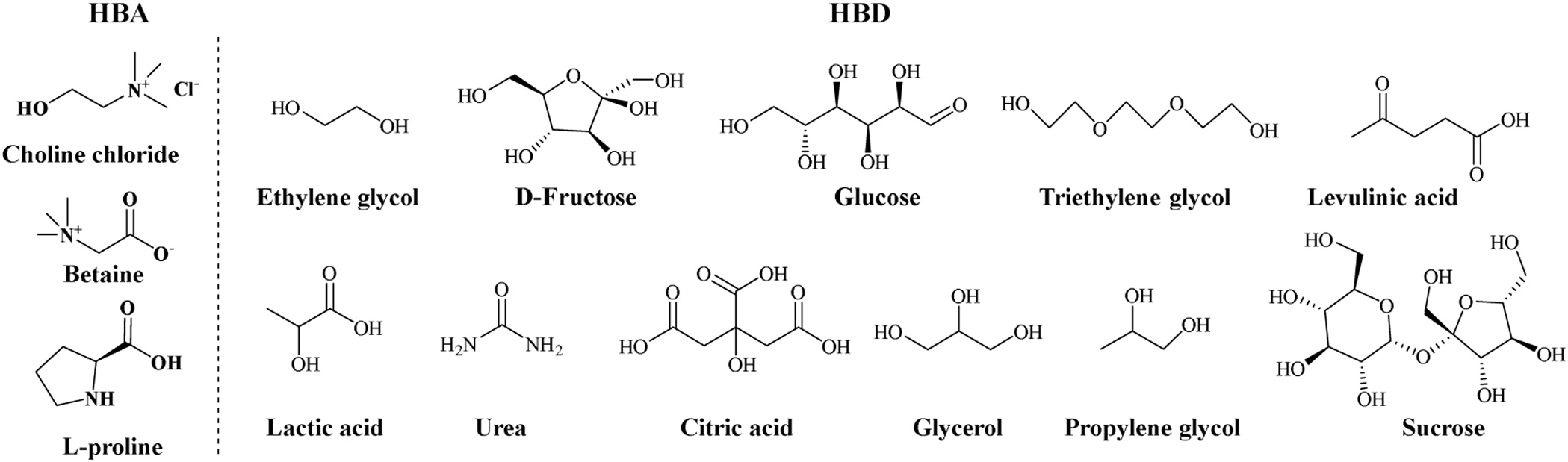
Sixteen NADES systems were crafted by mixing three hydrogen-bond acceptors with eleven donors. The winning formula? L-proline and levulinic acid at a 1:2 molar ratio. Under optimized conditions—60°C, 30 minutes, 40% water, and a liquid-solid ratio of 25 mL/g—the extraction yield hit 1.57%. That's precision engineering for a plant's hidden treasure.
Recovery was equally clever: macroporous resin optimized adsorption and desorption, while the NADES solvent proved reusable, slashing waste. The extracted CA didn't just sit prettily—it flexed significant inhibitory activity against tyrosinase and α-glucosidase, enzymes tied to pigmentation and diabetes.
This isn't just a lab trick. It's a sustainable blueprint for pulling bioactive compounds from plants without trashing the planet. For scientists and eco-conscious readers alike, this is extraction with a conscience.
Key Points
- Sixteen NADES systems tested with ultrasound for CA extraction.
- Optimal yield 1.57% using L-proline/levulinic acid (1:2).
- Extract inhibits tyrosinase and α-glucosidase enzymes.
Comments
No comments yet — be the first.