Ultrasound-Assisted Combined With Natural Ternary Deep Eutectic Solvent Extraction Method for the Green Extraction of Squalene From Strobilanthes tonkinensis
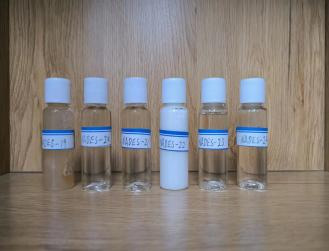
What if the key to unlocking nature's pharmacy lies not in harsh chemicals, but in a simple blend of natural compounds? A new study shows that a green solvent can outperform traditional ethanol in extracting valuable saponins from a medicinal plant.
Traditional extraction methods for medicinal plants often rely on single solvents like ethanol, which can be inefficient, costly, and flammable. This study offers a greener alternative using natural deep eutectic solvents (NADES), a class of solvents made from cheap, biodegradable components. Researchers synthesized 24 NADES and screened them for stability, then tested the top 14 for extracting saponins from the bulb of Lilium lancifolium, a plant used in traditional Chinese medicine and food. They compared the results against ethanol extraction, and one solvent, NADES-15 (a 2:1 mix of choline chloride and anhydrous citric acid), stood out as the most effective. Quantitative analysis showed that NADES-15 yielded 46.6 mg/g of total saponins—significantly more than ethanol. But the benefits didn't stop there. Using UHPLC-MS/MS, the team identified 31 compounds in the NADES-15 extract, including all nine target steroidal saponins (lily saponins A–I), whereas ethanol extraction found only 17 compounds and six saponins. This work highlights NADES as a powerful, sustainable tool for natural product extraction, potentially transforming how we obtain bioactive compounds from plants.
Key Points
- NADES-15 outperformed ethanol in saponin yield (46.6 mg/g).
- 31 compounds identified in NADES extract, including 9 target saponins.
- Green, efficient extraction using natural deep eutectic solvents.
Comments
No comments yet — be the first.