Ultrasound-assisted polyol extraction of anthocyanins from Leumpua purple sticky rice: Cytotoxicity, antioxidant properties, anti-melanogenic and anti-tyrosinase activities, and stability evaluation
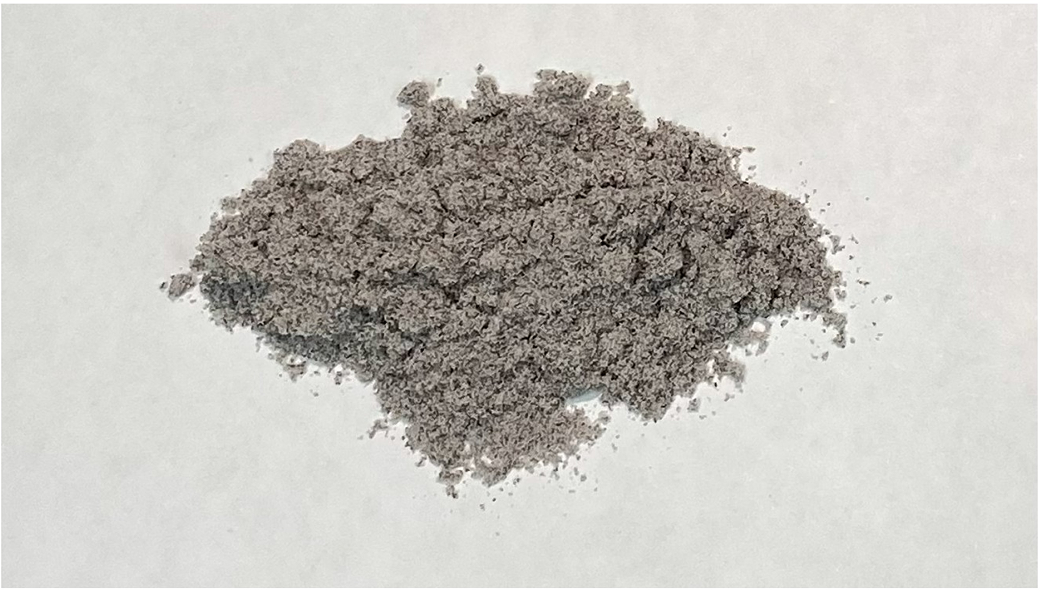
Purple sticky rice isn't just a feast for the eyes—it's a hidden powerhouse of skin-brightening compounds, and scientists just found a faster, greener way to unlock them.
Forget harsh chemicals and long, tedious extractions. Researchers have turned to ultrasound and a food-grade solvent called propylene glycol to pull anthocyanins—the pigments behind the rice's deep purple hue—out of Leumpua purple sticky rice. In just five minutes, they achieved the highest yield of these bioactive compounds, matching the antioxidant power of traditional methods that take far longer.
The magic doesn't stop at extraction. The team identified two major anthocyanins, cyanidin-3-O-glucoside and peonidin-3-O-glucoside, and tested the extract on skin cells. It showed low toxicity, significant anti-melanogenic effects, and inhibited tyrosinase—the enzyme behind pigment production—with results comparable to kojic acid, a standard skin-lightening agent.
However, these delicate pigments are heat-sensitive, degrading as temperatures rise. This highlights a critical need for stabilization strategies if they're to be used in real-world cosmetic products. Still, this green, rapid method offers a promising path toward sustainable, effective skincare ingredients from an unexpected source: leftover rice grains.
Key Points
- Ultrasound + propylene glycol extracts anthocyanins in 5 minutes.
- Extract inhibits tyrosinase and melanogenesis in skin cells.
- Anthocyanins degrade with heat, requiring stabilization strategies.
Comments
No comments yet — be the first.