Unlocking marine potential: Microwave-assisted extraction of bioactive compounds from marine macroalgae
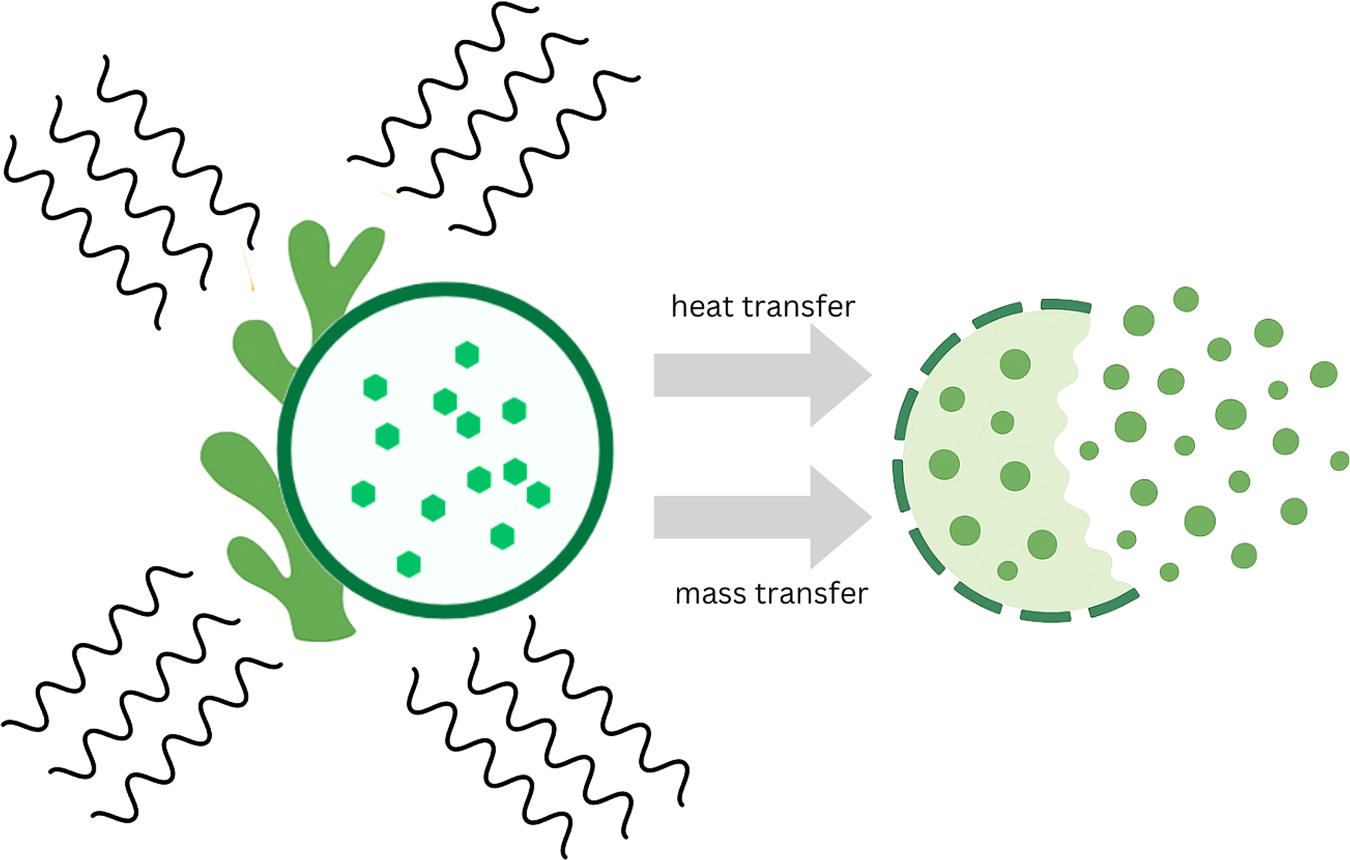
Seaweeds are not just ocean weeds—they are chemical treasure troves. But extracting their bioactive compounds has been a tough nut to crack, until microwave-assisted extraction entered the scene.
Seaweeds are a sustainable goldmine of polyphenols, polysaccharides, and flavonoids—compounds that food, pharma, and cosmetics industries crave. But their complex cellular structure makes extraction a stubborn puzzle. Traditional methods often demand harsh conditions, risking damage to the very molecules we want to keep.
Enter microwave-assisted extraction (MAE): a green technique that uses microwave energy to heat solvents efficiently, breaking down algal cells with speed and precision. This review dissects the key factors—microwave power, time, temperature, solvent choice, and sample traits—that determine yield and compound integrity. MAE shines in comparisons with conventional methods, offering better efficiency, lower energy use, and compatibility with eco-friendly solvents.
The story doesn't end there. Hybrid strategies like ultrasonic-microwave extraction push boundaries further. Yet, challenges remain: scaling up reactor design, fine-tuning selectivity, and optimizing solvents. With more research, MAE could become the industrial standard for unlocking marine bioactives sustainably.
Key Points
- MAE is a green method for extracting seaweed bioactives.
- Key factors: power, time, temperature, solvent, sample traits.
- Hybrid strategies like ultrasonic-microwave show promise.
Comments
No comments yet — be the first.