Valorization of artichoke industrial by-products using green extraction technologies: Formulation of hydrogels in combination with paulownia extracts
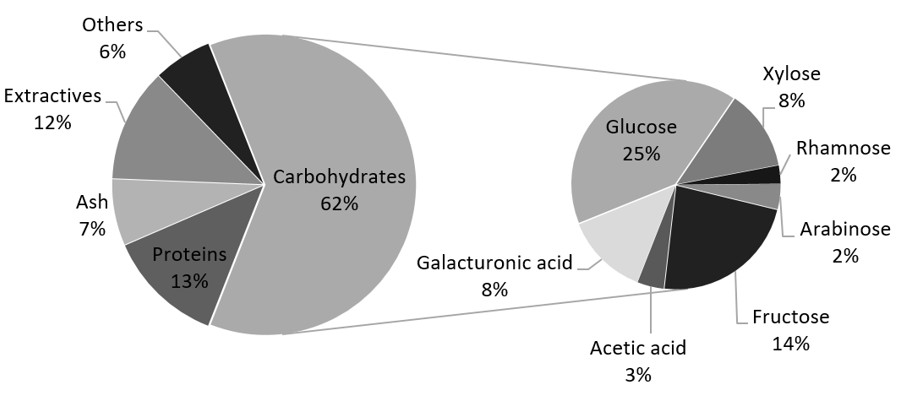
What if the bracts discarded during artichoke canning could be turned into smart hydrogels? A new study shows how green chemistry turns waste into valuable bioactive materials.
Artichoke canning leaves behind piles of bracts—the tough outer leaves—usually discarded as waste. But these by-products are packed with hidden value. Researchers explored a green extraction method using pressurized hot water under subcritical conditions to unlock their bioactive compounds. They compared conventional heating with microwave-assisted extraction, and the results were striking: microwaves did the job more efficiently, using lower temperatures and shorter times to yield more total solubles, phenolics, and sugar oligomers.
However, not all sugars tolerate heat. Fructose oligomers began to degrade above 160°C, while the highest phenolic content appeared at a hotter 220°C. This sweet spot—maximizing phenolics—became the target for further use. The team took both the liquid extracts and the leftover solid residues from these optimal conditions and combined them with aqueous extracts from Paulownia leaves to produce starch-based hydrogels.
These hydrogels represent a clever circular economy move: turning agricultural waste into functional materials with potential for food, cosmetics, or biomedical applications. The study proves that green extraction technologies can valorize by-products without harsh solvents, offering a sustainable path from field to high-value products.
Key Points
- Microwave extraction outperforms conventional heating for phenolics and sugars.
- Fructose oligomers degrade above 160°C; phenolics peak at 220°C.
- Starch hydrogels made from artichoke bract extracts and Paulownia leaves.
Comments
No comments yet — be the first.