Valorization of ‘Rossa di Tropea’ Onion Waste through Green Recovery Techniques of Antioxidant Compounds
What if the peel you toss in the compost could become a treasure trove of natural antioxidants? A new study turns onion waste into a goldmine of health-boosting compounds.
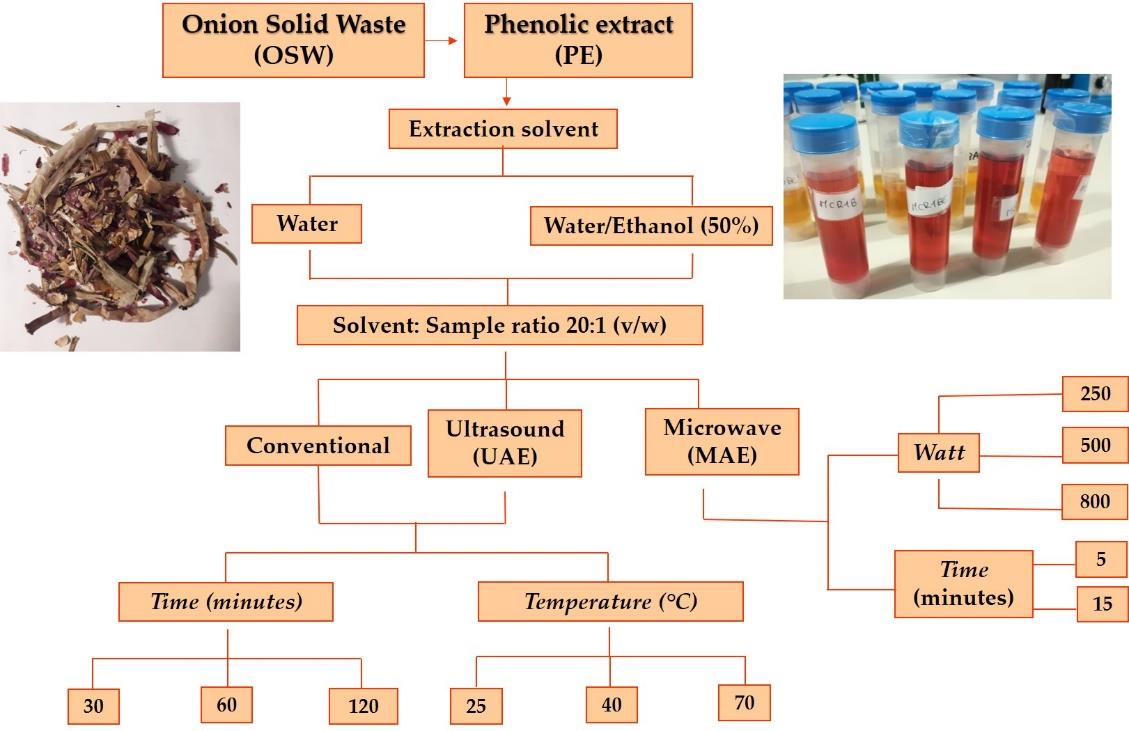
Onion waste is no longer just a kitchen nuisance. Researchers have found a way to extract valuable antioxidants from the solid leftovers of Tropea onions, a prized Italian variety. Using only food-grade solvents like water and a 50:50 ethanol-water mix, they tested three extraction methods: conventional maceration, ultrasound, and microwave assistance. The goal? Maximize the recovery of bioactive compounds while keeping the process green and sustainable.
The results were striking. The hydroalcoholic mixture outperformed pure water across all techniques and conditions. The best yield came from conventional extraction at 40°C for 60 minutes, delivering 25.64 mg of total flavonoids per gram of dry weight and 0.78 mg of anthocyanins. Advanced analysis revealed the star players: quercetin, a powerful antioxidant, reached 5322.61 mg per kg, while its derivative, quercetin 3-4'-diglucoside, hit 1023.80 mg per kg with ultrasound assistance.
This isn't just lab curiosity. By turning onion waste into a source of natural food additives, this approach could cut waste loads and offer a sustainable alternative to synthetic additives. The potential for industrial impact is real—and it starts with the humble onion peel.
Key Points
- Food-grade solvents (water, ethanol:water 50:50) used for green extraction.
- Conventional extraction at 40°C/60min gave highest flavonoid yield.
- Quercetin and its glucoside were the main antioxidants recovered.
Comments
No comments yet — be the first.