Valorization of Tu Quy mango seed kernel via ultrasound-assisted extraction: Phytochemicals, antioxidant and antibacterial properties
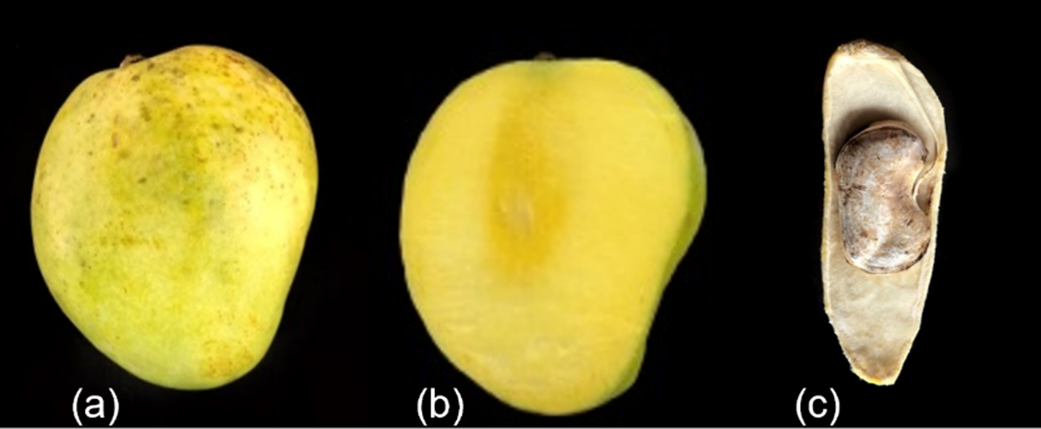
What if the seed you toss away could fight bacteria and free radicals? A new study shows that ultrasound can unlock hidden powers in mango seeds.
Every year, mango processing creates mountains of waste—seeds and peels make up 30–60% of the fruit. But one seed, the Tu Quy mango kernel, is fighting back. Scientists compared three extraction methods: traditional soaking, hot reflux, and ultrasound-assisted extraction (UAE). The winner? UAE, which uses sound waves to create tiny bubbles that gently break plant cells, freeing valuable compounds.
With UAE, the yield soared to 47.53%, and total phenolic content reached 2779.62 mg GAE per 100 g dry weight—significantly higher than the other methods. These phenolics are powerful antioxidants, and UAE extracts showed the strongest free-radical scavenging activity, with IC50 values of 121.76 µg/mL (DPPH) and 162.67 µg/mL (ABTS).
But the benefits don't stop there. UAE extracts also performed best in antibacterial tests against foodborne pathogens, though the minimum inhibitory concentrations (0.31–2.50 mg/mL) were similar across methods. This means ultrasound not only extracts more, but also boosts antimicrobial power.
This eco-friendly, scalable technique could turn mango waste into natural preservatives and functional ingredients. The humble seed kernel is no longer trash—it's a treasure chest of bioactivity.
Key Points
- Ultrasound-assisted extraction yields 47.53% and highest phenolics.
- UAE extracts show strongest antioxidant and antibacterial activity.
- Mango seed kernel becomes a source of natural preservatives.
Comments
No comments yet — be the first.