Variations in the Composition, Antioxidant and Antimicrobial Activities of Cystoseira compressa during Seasonal Growth
What if the secret to a healthier diet was floating in the sea, changing with the seasons? A new study on a humble seaweed reveals that its antioxidant powers peak in June, while its antimicrobial might soars in warm waters.
Seaweeds are the ocean's hidden treasure, and scientists are diving deep to unlock their potential. A recent study focused on Cystoseira compressa, a brown alga from the Central Adriatic Sea, tracking its chemical profile from May to September. The goal? To see how seasonal growth affects its antioxidant and antimicrobial abilities, which could fuel the blue economy—a sustainable use of ocean resources.
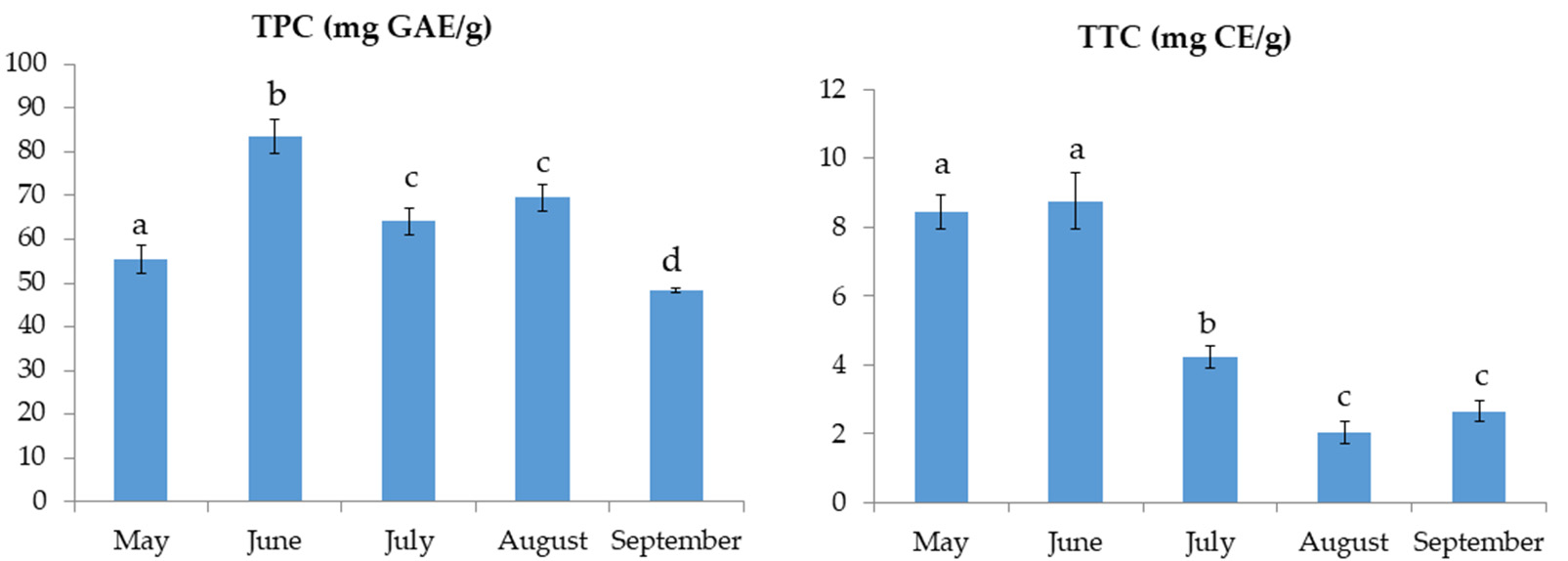
The results are striking. June samples boasted the highest total phenolic content (83.4 mg GAE/g) and total tannin content (8.8 mg CE/g), along with a strong FRAP antioxidant value of 2.7 mM TE. Meanwhile, August samples showed the highest ORAC value (72.1 µM TE), and all samples displayed impressive free radical scavenging, with DPPH inhibition exceeding 80%. The antimicrobial tests revealed that June, July, and August extracts—when sea temperatures peaked—were most effective against harmful bacteria like Listeria monocytogenes and Staphylococcus aureus.
Fatty acids, including oleic, palmitoleic, and palmitic acids, dominated the algal composition. These findings suggest that C. compressa is not just a simple seaweed but a potential industrial source for nutraceuticals and functional foods. So, the next time you enjoy a supplement, it might owe its power to the sea's seasonal rhythm.
Key Points
- June extract highest phenolics, tannins, and FRAP
- All samples showed >80% DPPH inhibition
- Best antimicrobial activity in warm months
Comments
No comments yet — be the first.