Application of ultrasound for green extraction of proteins from spirulina. Mechanism, optimization, modeling, and industrial prospects
What happens when high-frequency sound waves collide with microscopic cyanobacteria? They trigger a revolutionary, green extraction method that unlocks protein yields far beyond conventional limits.
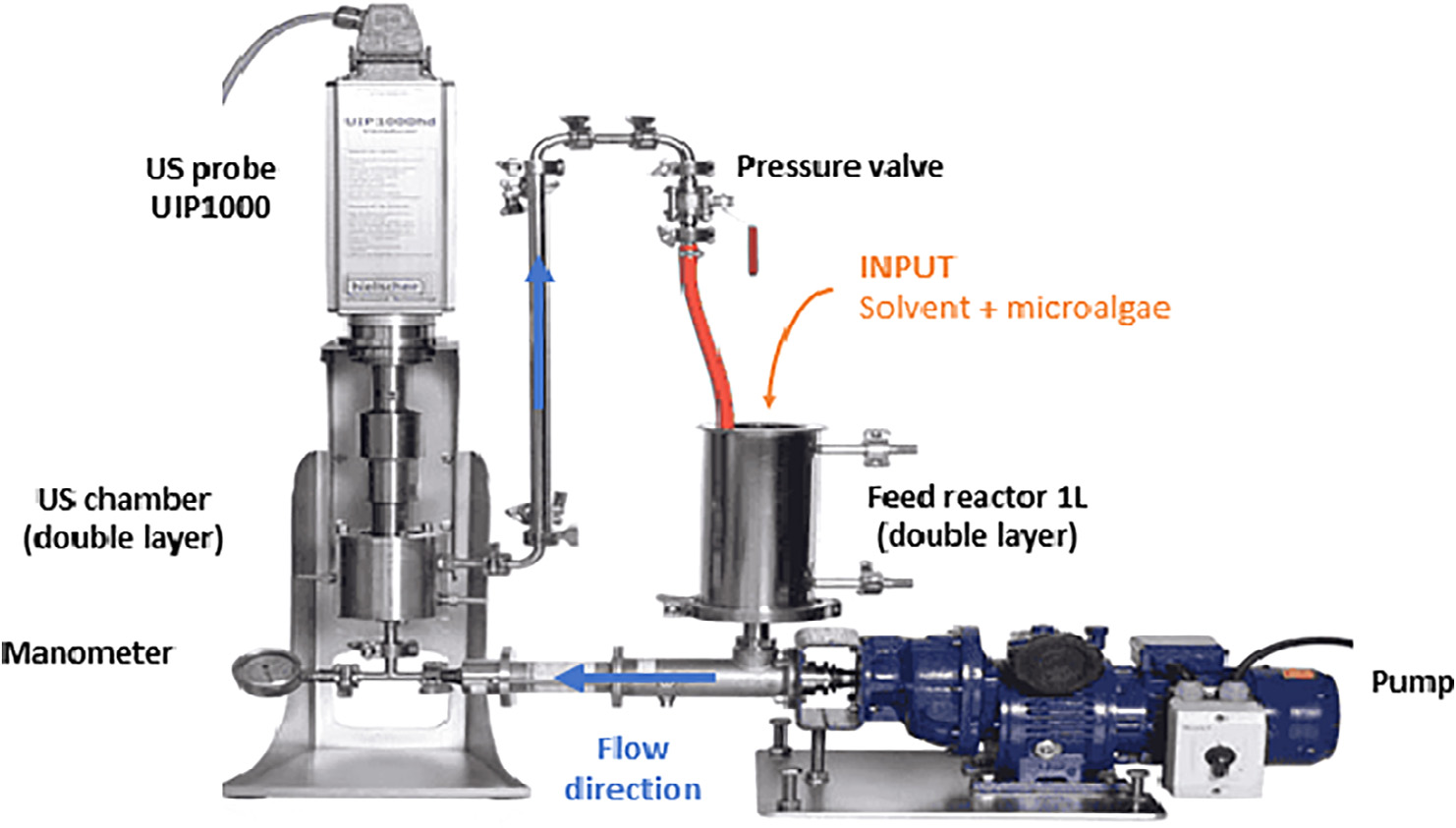
Meet manothermosonication (MTS), an innovative, ultrasound-assisted technique designed to extract proteins from dry Arthrospira platensis cyanobacteria. Operating at a continuous flow rate of 15 mL per hour with a 20 kHz probe, this method transforms how we harvest nutrients. Researchers optimized the process using a central composite design, backed by mathematical modeling and microscopic investigations to observe physical and structural effects on spirulina filaments over time.
The results are striking. MTS dramatically promoted mass transfer, achieving an effective diffusivity that yielded an incredible 28.42 grams of proteins per 100 grams of dry weight. That is a 229% increase compared to conventional extraction without ultrasound, hitting a 50% protein recovery rate in just six effective minutes.
Optical and scanning electron microscopies revealed the hidden physics at play. Acoustic cavitation battered the spirulina filaments through fragmentation, sonoporation, and detexturation, effortlessly smoothing the release and solubilization of bioactive compounds for industrial horizons.
Key Points
- Manothermosonication (MTS) uses 20 kHz ultrasound for green protein extraction
- MTS delivered 229% more protein than conventional processes
- Acoustic cavitation caused filament fragmentation, sonoporation, and detexturation
Comments
No comments yet — be the first.